Top 10 smallest countries on earth
We've been over the biggest, but what about countries on the other end of the scale? Some nations are so small you could drive across them in minutes, yet each one carries a story that punches well above its weight.
From tiny monarchies tucked inside major cities, to remote Pacific atolls that are slowly disappearing beneath rising seas, to sun-drenched islands where couples go to celebrate the rest of their lives, the world's smallest countries are anything but small in character.
So, to keep things short and sweet, here are the ten countries with the tiniest total land area on Earth, counted down from #10 to #1.
10. Malta — 316 km²
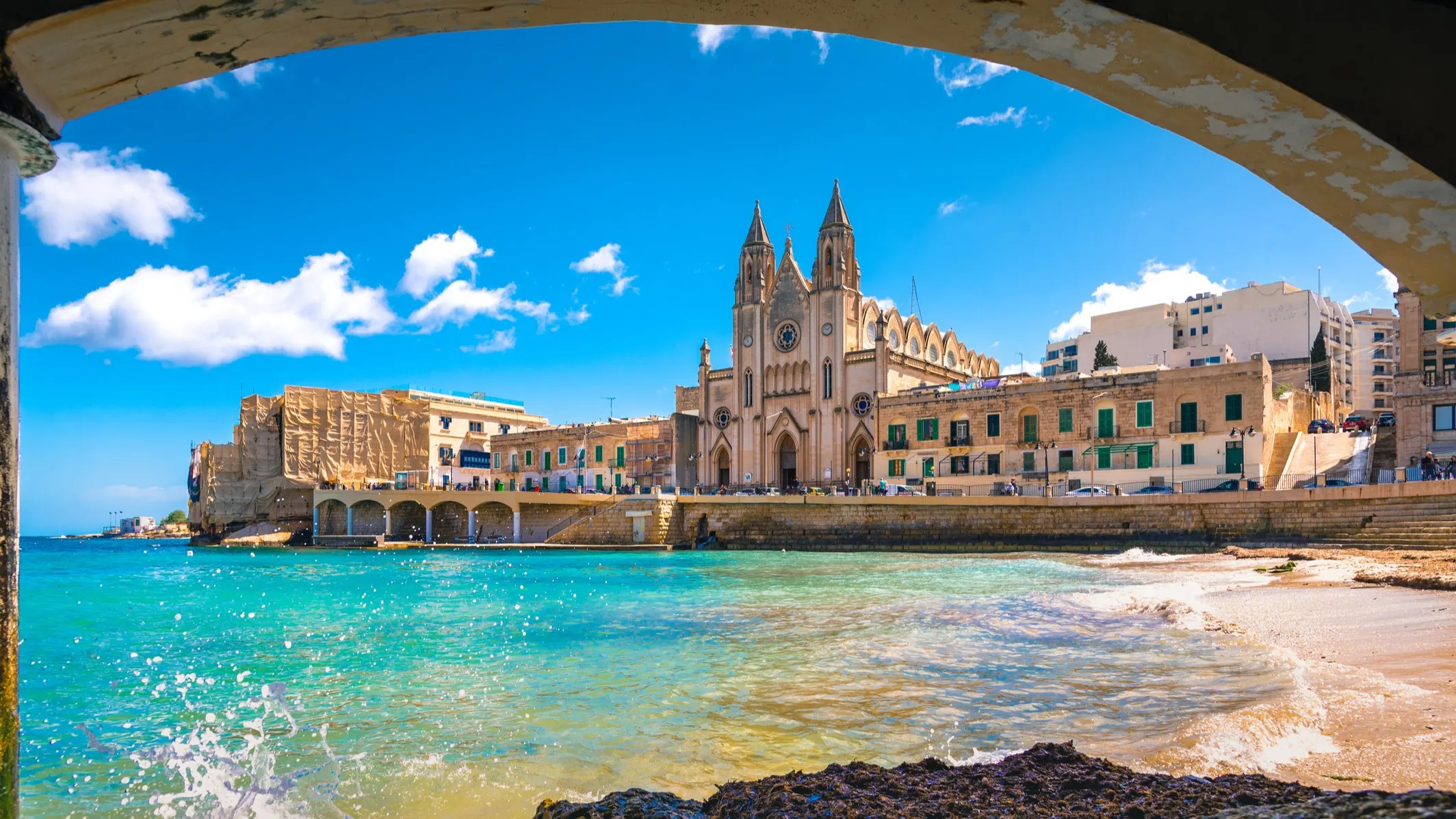
The largest of the ten, Malta is a densely populated archipelago in the Mediterranean Sea, south of Sicily. With a history stretching back 7,000 years — including megalithic temples older than Stonehenge — Malta is one of the most historically rich countries relative to its size. It joined the European Union in 2004 and is a popular tourist and expat destination.
9. Maldives — 298 km²
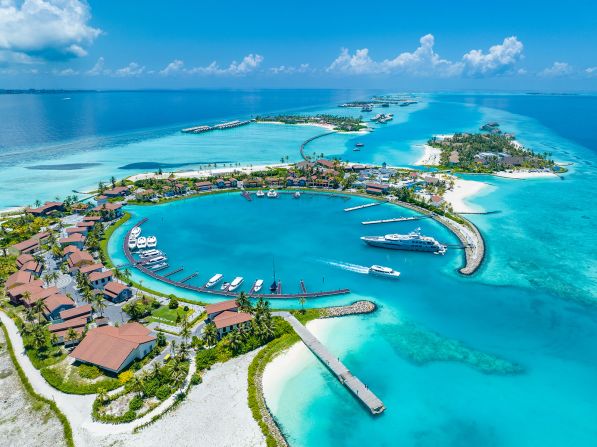
The Maldives is the world's lowest-lying country, with an average ground level of just 1.5 metres above sea level. Spread across more than 1,000 coral islands in the Indian Ocean, it is one of the world's premier honeymoon and diving destinations. The country faces an existential risk from rising sea levels — its government has made climate advocacy a cornerstone of its foreign policy.
8. Saint Kitts and Nevis — 261 km²
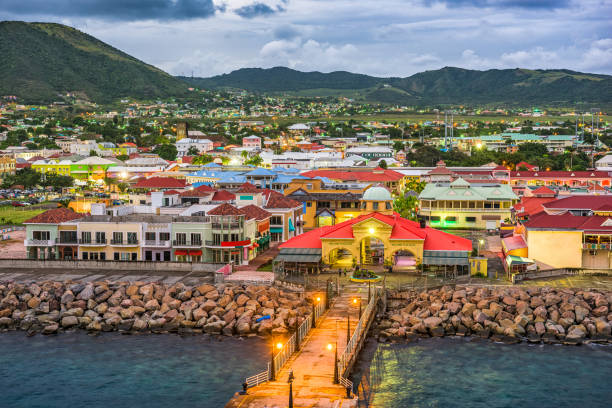
The smallest sovereign state in the Western Hemisphere, Saint Kitts and Nevis is a two-island federation in the Caribbean. It was the first Caribbean island to be colonised by Europeans and a major sugar producer for centuries. Today, it is known for its volcano, rainforest, and a citizenship-by-investment programme.
7. Marshall Islands — 181 km²
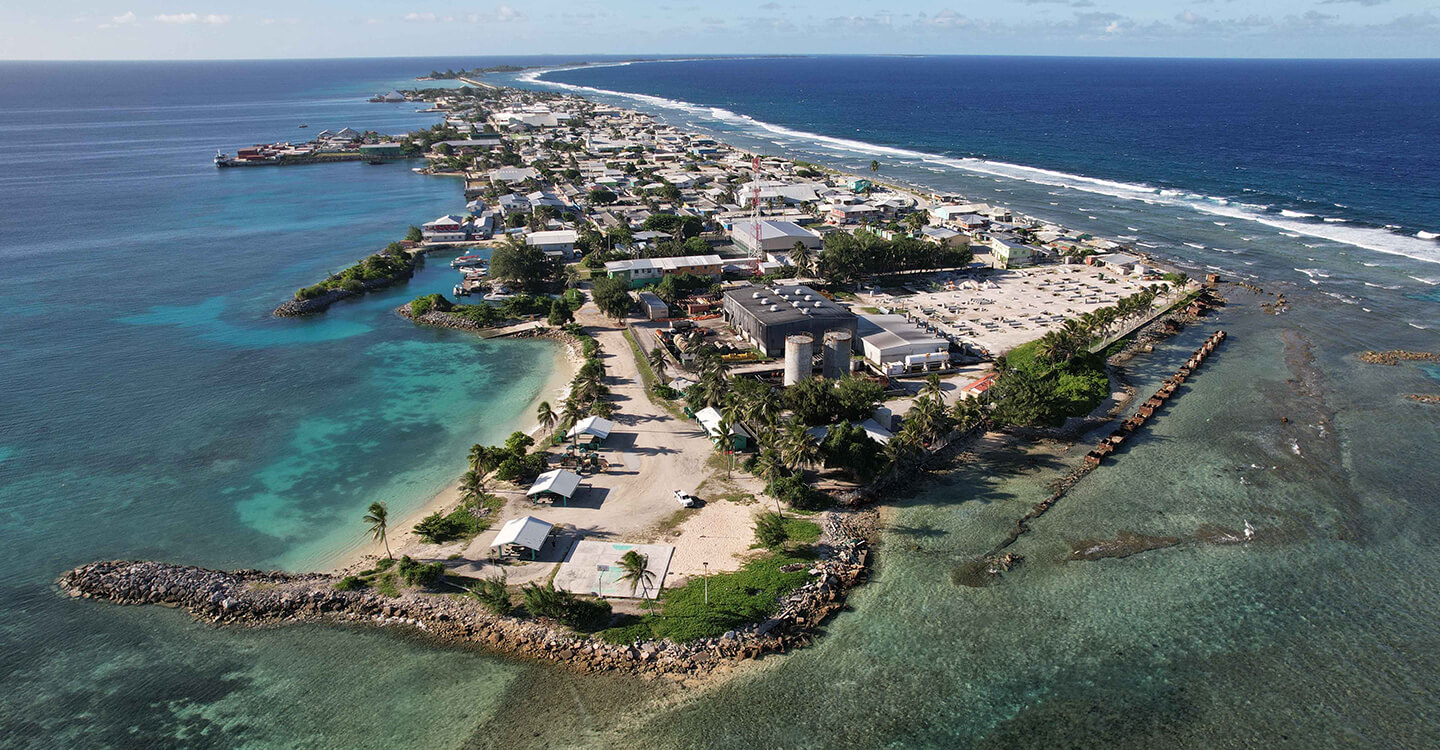
Comprising 29 atolls and five isolated islands in the North Pacific, the Marshall Islands gained independence from US administration in 1986. The islands have a complex history with nuclear testing — the United States conducted 67 nuclear tests at Bikini and Enewetak Atolls between 1946 and 1958. Today, climate change-driven sea level rise poses the gravest threat to the nation's existence.
6. Liechtenstein — 160 km²
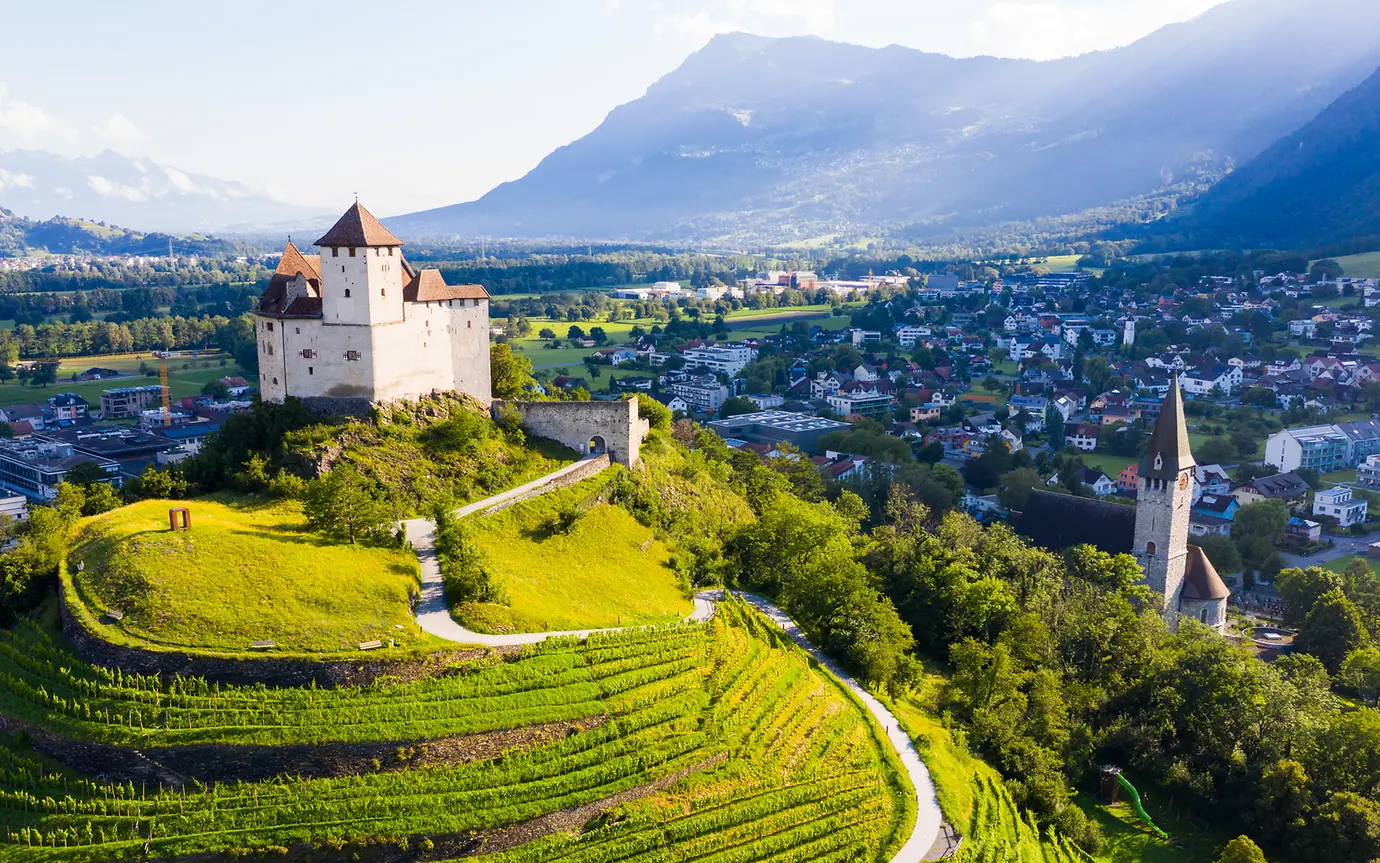
Liechtenstein is one of only two doubly landlocked countries in the world (surrounded by landlocked countries — Switzerland and Austria). Despite its tiny size, it boasts one of the highest GDPs per capita globally, driven by a specialised financial sector and precision manufacturing. It also abolished its army in 1868 — and never reinstated it.
READ MORE: GMet warns of thunderstorms, rain and strong winds across Ghana
5. San Marino — 61 km²
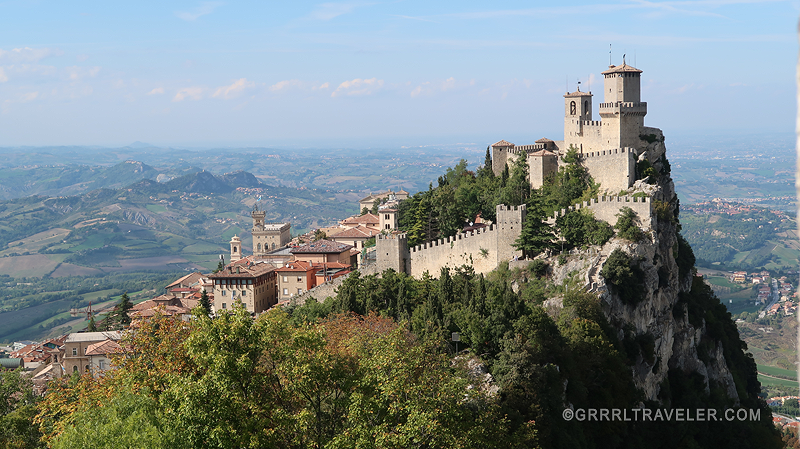
Landlocked within northern Italy, San Marino claims to be the world's oldest republic, founded – according to tradition – in 301 AD. It is one of only three countries entirely surrounded by a single other country (the others being Vatican City and Lesotho). Its historic centre and Mount Titano are a UNESCO World Heritage Site.
4. Tuvalu — 26 km²
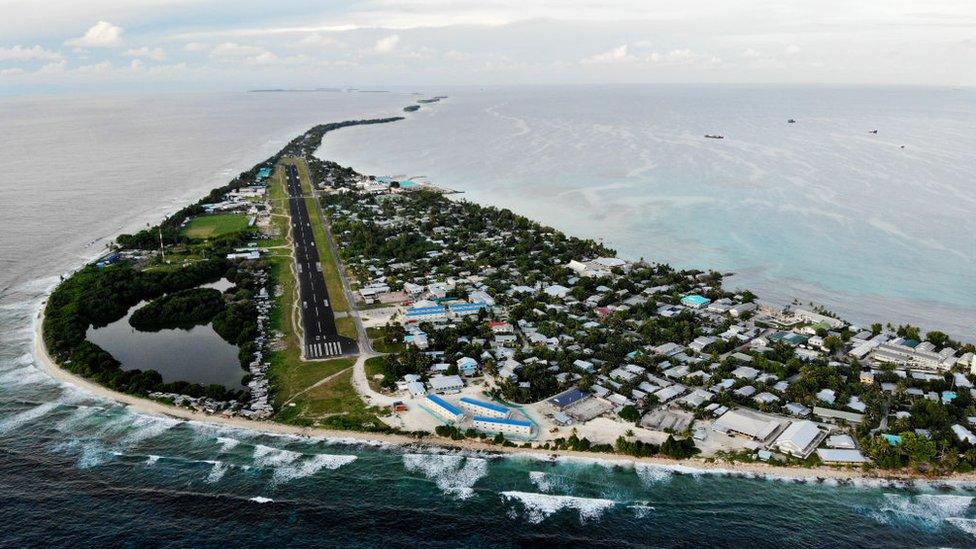
Scattered across nine atolls and reef islands in the central Pacific Ocean, Tuvalu is perhaps the nation most acutely threatened by climate change. Most of the country sits less than two metres above sea level, making it one of the most vulnerable places on Earth to ocean flooding. It is also one of the least visited countries in the world, with annual tourist arrivals typically in the hundreds.
3. Nauru — 21 km²
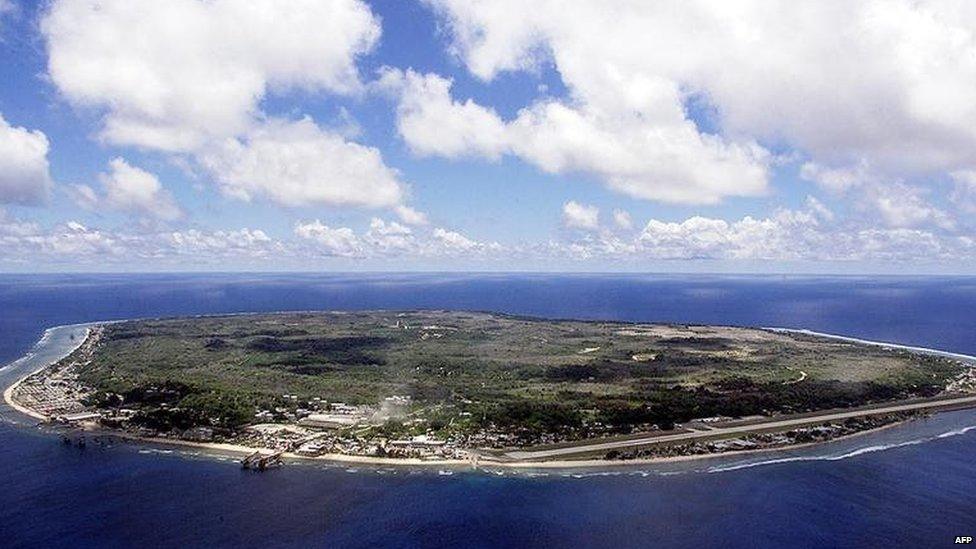
A raised coral island in Micronesia, Nauru is the world's smallest island nation and the smallest republic. Once one of the richest countries per capita thanks to phosphate mining, Nauru now faces serious economic challenges and the existential threat of rising sea levels — its highest point is only 71 metres above sea level.
2. Monaco — 2 km²
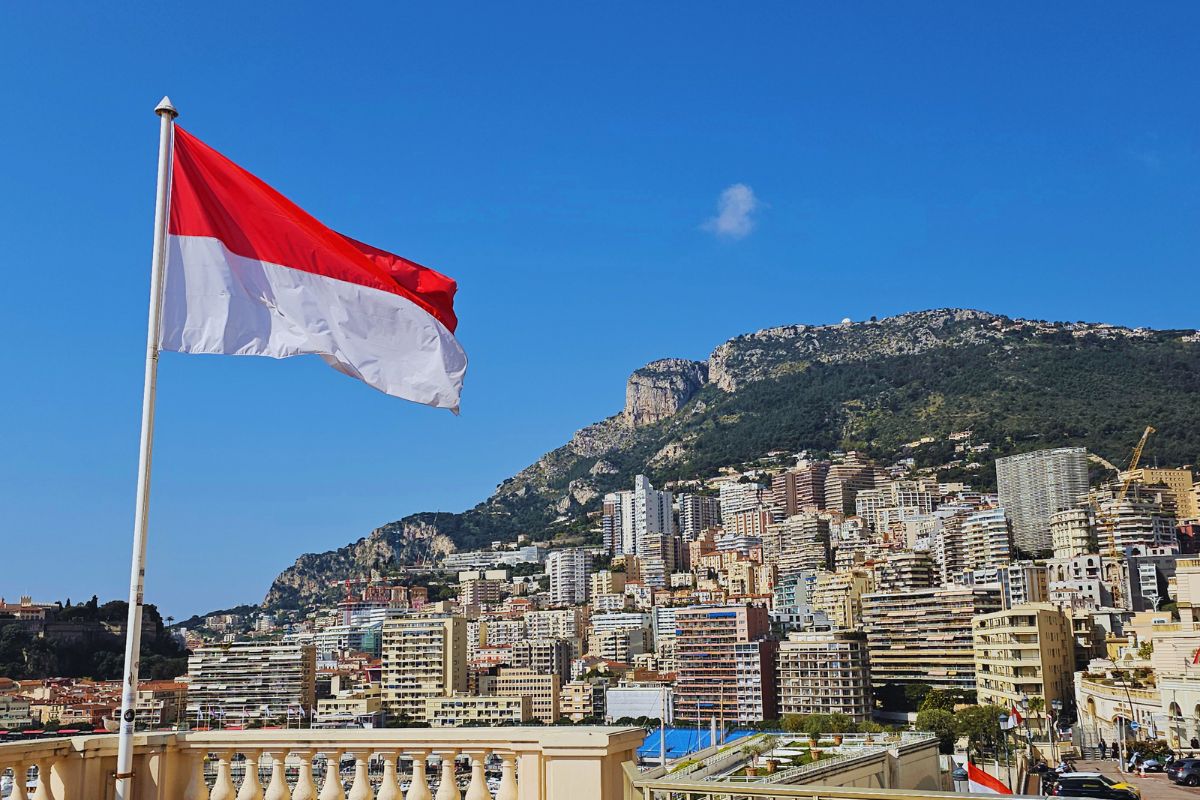
The second-smallest country is also the world's most densely populated, with around 38,000 people squeezed into 2 km² on the French Riviera. Monaco is a constitutional monarchy famous for its casino in Monte Carlo, the Formula 1 Grand Prix street circuit, and some of the most expensive real estate on the planet. Like Vatican City, it is a country within a country — bordered on three sides by France and on one by the Mediterranean Sea.
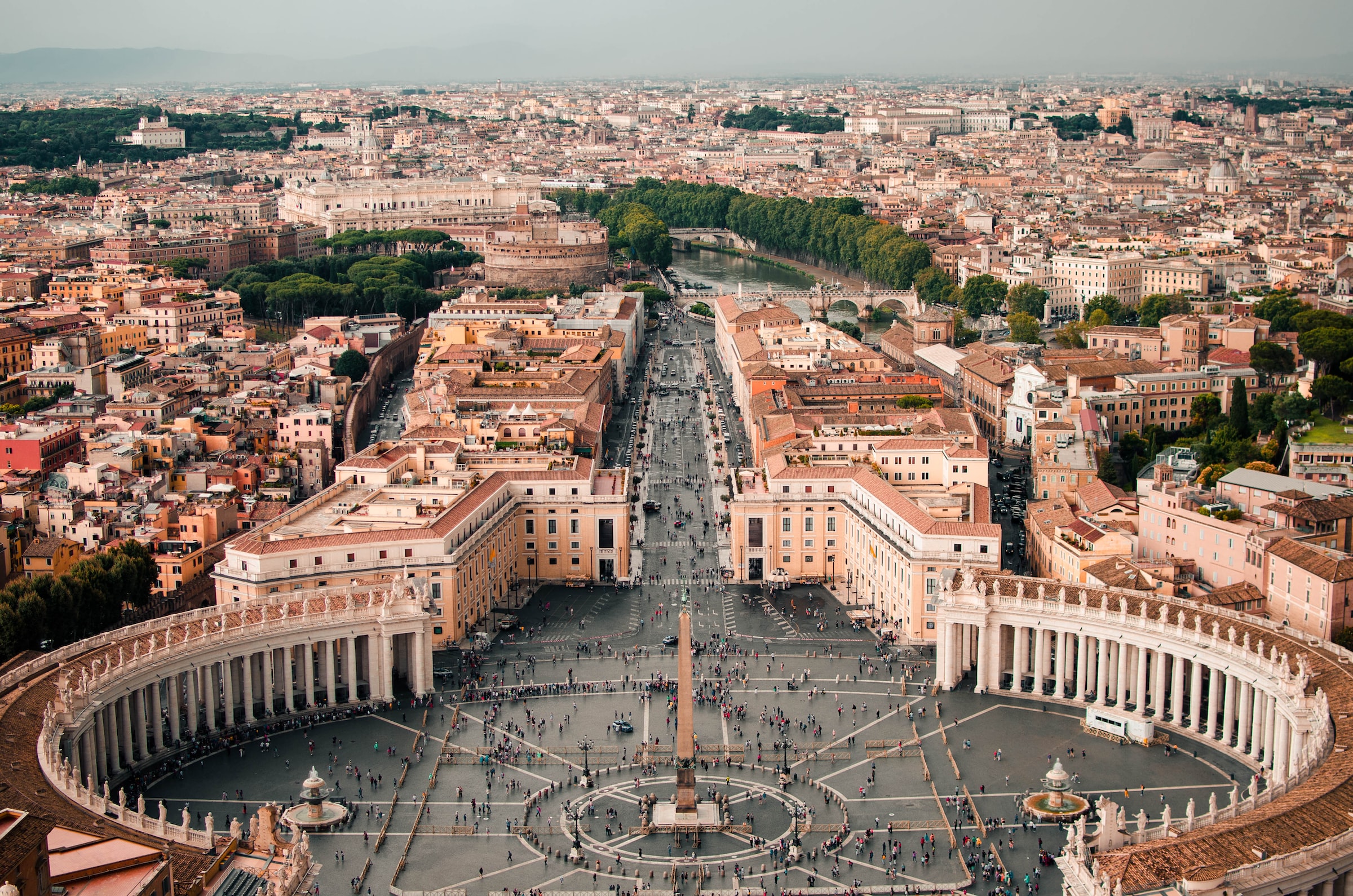
1. Vatican City — 0.44 km²
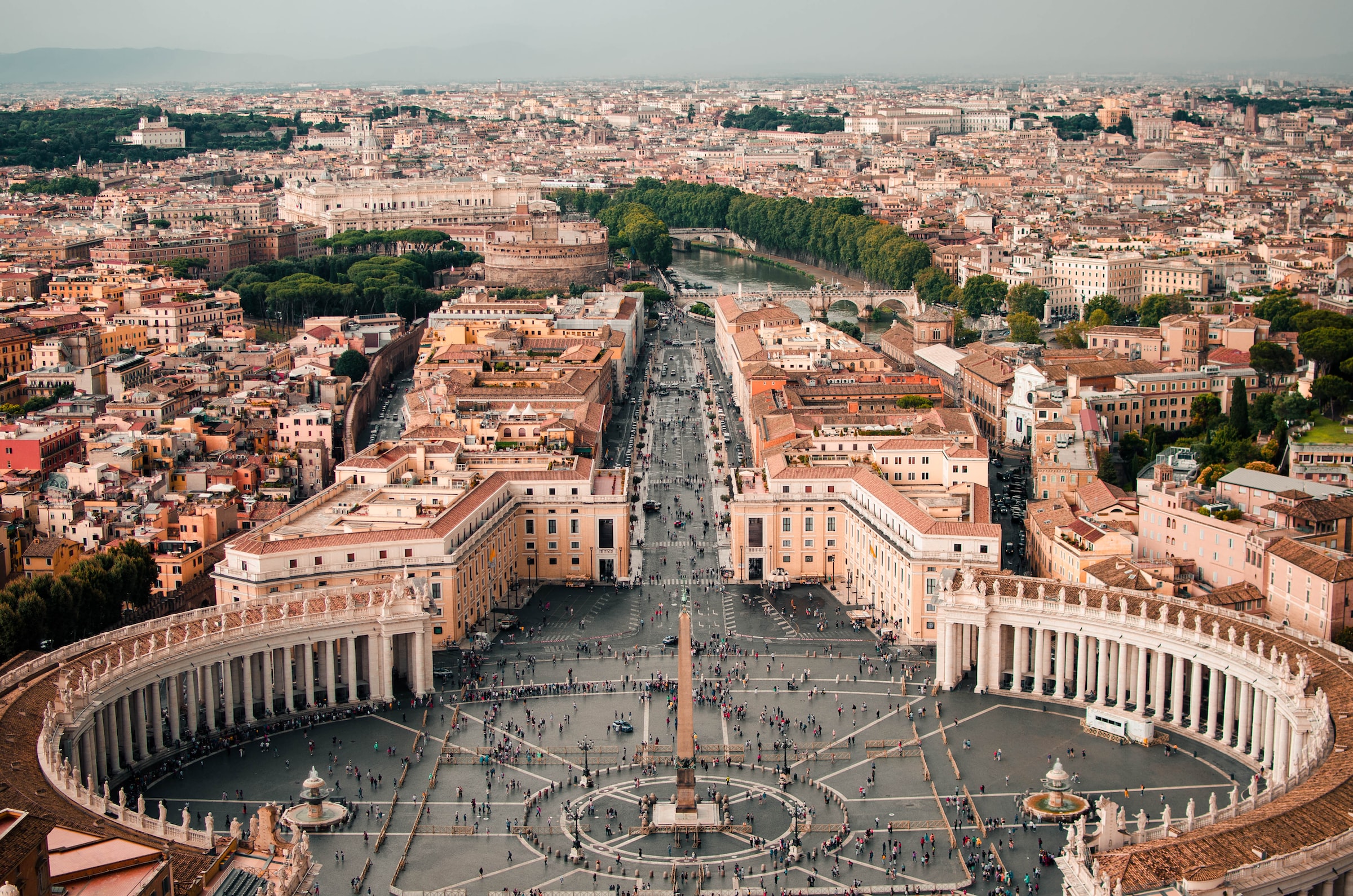
The undisputed champion of smallness, Vatican City is both the world's smallest country by area and its least populous sovereign state, home to roughly 800 people. Enclosed entirely within Rome, Italy, it is the headquarters of the Roman Catholic Church and the official residence of the pope. Despite its size, it contains an extraordinary concentration of Renaissance art and architecture, including St Peter's Basilica and the Sistine Chapel.
Edem Kwame
Edem Kwame is a journalist at GH News Media covering news and national developments in Ghana.