Best AI Tools for Students in 2026
Artificial intelligence has quickly become one of the most valuable study companions for modern learners.
Whether a student is in high school, university, or pursuing self-paced online learning, AI tools now support almost every academic task imaginable.
From researching assignments and organizing schedules to improving writing, mastering difficult subjects, and preparing for exams, AI makes learning faster, smarter, and more engaging.
Instead of struggling alone, students can now collaborate with intelligent platforms that simplify complex topics, save time, and boost productivity.
As long as AI is used responsibly and ethically, it can transform the way students study, learn, and succeed, helping them stay ahead in an increasingly competitive digital world.
1. ChatGPT
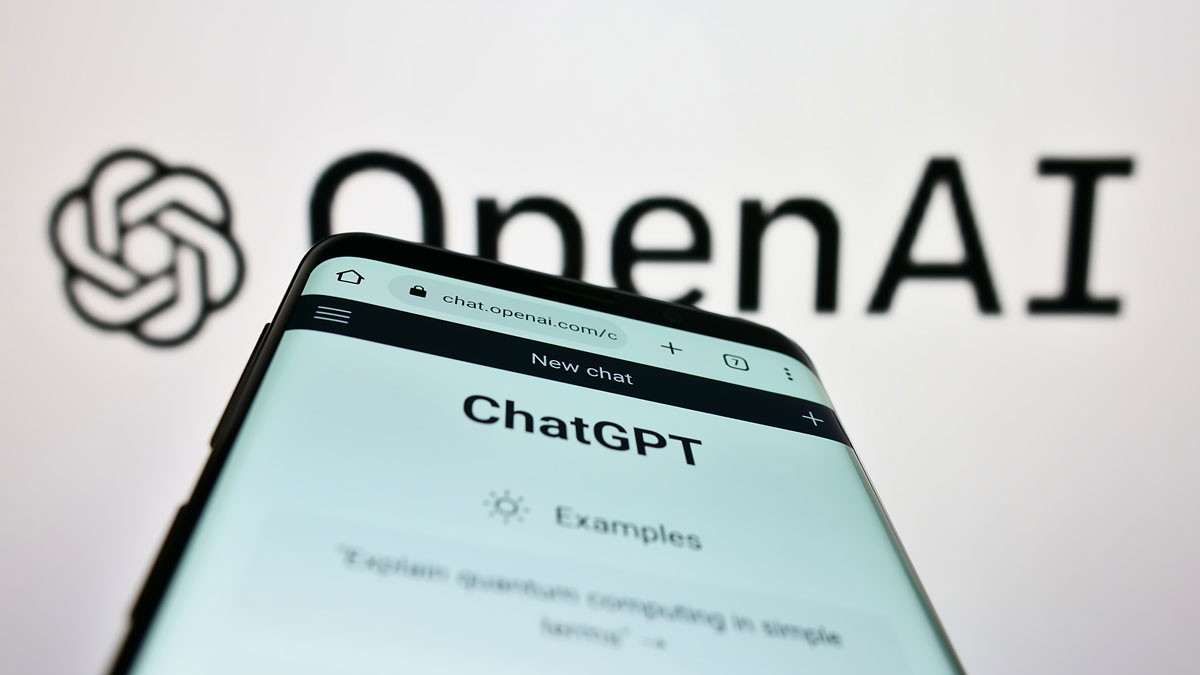
ChatGPT has become one of the most useful digital assistants available to students. It helps break down difficult concepts, provide explanations, summarize textbook material, and even guide students through research questions.
When used responsibly, ChatGPT does not replace thinking; it supports it. Students can brainstorm essay ideas, draft outlines, practice languages, revise class notes, and clarify confusing lessons.
This tool functions like a patient tutor that responds instantly whenever a student needs help.
2. Grammarly
Grammarly is a must-have writing tool for students at all levels. It improves essays, reports, emails, and assignments by finding grammatical errors, spelling mistakes, and awkward sentences.
Beyond correcting errors, Grammarly teaches students how to write more clearly and confidently. For academic writing, this can make a dramatic difference.
Instead of rewriting content, it strengthens what the student has written, allowing them to retain their own voice while learning proper academic structure and tone.
READ MORE: WhatsApp to bring liquid glass design to Mac and iPad apps
3. Canva

Canva allows students to create clean, professional-looking projects with very little design experience.
Whether a student is making a presentation slide deck, a group project poster, or a visual report, Canva’s AI-driven templates provide a fast and user-friendly starting point.
Students can drag and drop photos, icons, and text to build beautiful designs in minutes. This tool is perfect for school projects in science, business, arts, and club activities, helping work stand out visually.
4. Notion
Notion provides students with a personal digital workspace where they can keep track of everything: notes, homework, deadlines, reading lists, and project plans.
The platform also offers AI-assisted summaries, which help turn long notes into meaningful study material. For students who struggle with organization, Notion provides structure and discipline.
Instead of losing track of assignments, students can build dashboards that lay out weekly workloads, study targets, and exam timetables, keeping them accountable and in control.
5. QuillBot
QuillBot is useful for students who want to understand and rewrite information in their own words. It is especially helpful during research or essay drafting.
When dealing with long or complicated source material, QuillBot paraphrases content clearly, helping students avoid plagiarism while learning how to restate key points.
It also offers summarizing and grammar tools, making it ideal for improving comprehension and writing clarity. When used correctly, it strengthens understanding, not shortcuts it.
6. Perplexity AI

Perplexity AI acts like an intelligent research assistant. Unlike traditional search engines, it provides concise, sourced answers and links to credible references.
Students can explore topics more efficiently and avoid misinformation. Perplexity is particularly useful for writing research papers, preparing class discussions, or verifying facts.
It saves time without sacrificing accuracy, making it a dependable tool for academic research and fact-checking.
READ MORE: Meta launches paid subscriptions for Instagram, Facebook & WhatsApp
7. Wolfram Alpha

For students studying mathematics, science, economics, or engineering, Wolfram Alpha is an essential problem-solving tool. Instead of offering simple answers, it shows detailed steps and explains the reasoning behind solutions.
This makes it perfect for learning formulas, concepts, and methods in subjects where understanding matters more than memorizing.
Whether working through calculus, physics equations, or data graphs, Wolfram Alpha provides clarity that textbooks sometimes lack.
8. Otter.ai
Otter.ai supports students during fast-paced lectures by recording audio in real time and turning it into text.
This helps students who struggle with note-taking or those who prefer reading notes while revising. Otter highlights key ideas, lets students search transcripts for specific topics, and enables sharing with classmates.
Instead of missing information, students gain complete lecture records they can revisit anytime.
9. Khan Academy (AI Tutor)
Khan Academy has introduced AI-powered tutoring that adjusts to a student’s learning pace. It guides learners step-by-step through math, science, and coding exercises, offering hints and explanations rather than simply giving answers.
This interactive learning style builds mastery and confidence. Students can use it outside class for revision, homework support, or catching up on lessons they struggled with.
10. Google Scholar + AI Extensions
Google Scholar remains a top platform for finding peer-reviewed research papers and academic information.
When students pair Google Scholar with AI reading and summarizing tools, they are able to analyze studies faster and build strong arguments for essays and presentations.
Instead of manually reading dozens of pages, students can extract important points, highlight quotes, and organize sources effectively. This combination makes research more accessible and less overwhelming.
Edem Kwame
Edem Kwame is a journalist at GH News Media covering tech and national developments in Ghana.