Key reasons why Real Madrid sacked Xabi Alonso
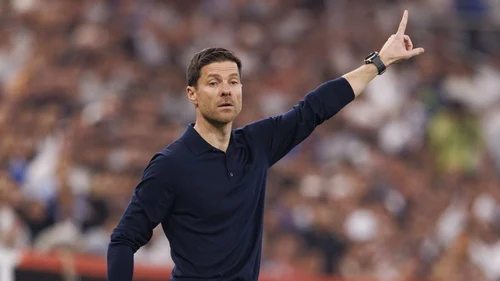
Real Madrid confirmed the exit of manager Xabi Alonso on January 12, 2026, bringing his tenure to an end less than a year after taking charge. His departure followed a high-stakes 3-2 defeat to Barcelona in the Spanish Supercopa final. The announcement stunned fans, but it reflected mounting concerns around results, tactics, and dressing-room dynamics that ultimately led the club to act.
1. Supercopa Defeat Was the Final Trigger
Despite Real Madrid sitting second in La Liga and recording respectable overall results, the loss to Barcelona in the Supercopa was viewed as a crucial moment. The performance highlighted recurring flaws in big games and intensified doubts within the board about the direction of the team under Alonso.
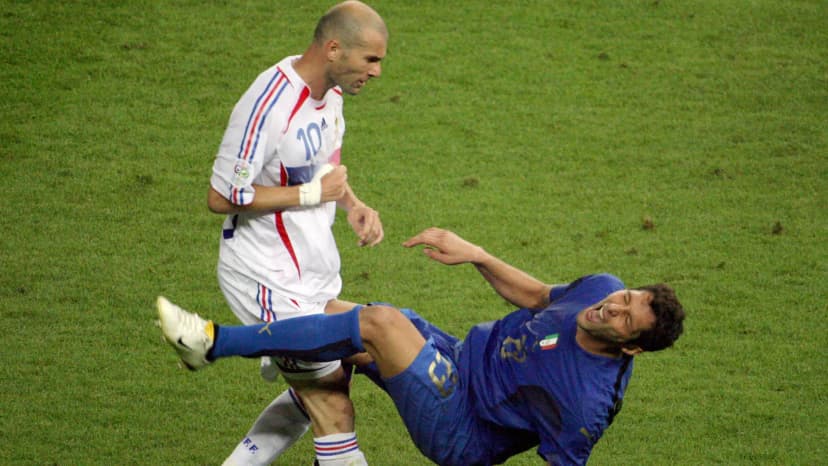
READ MORE: 10 craziest moments in World Cup history - Ranked
2. Strong Win Ratio Masked Performance Concerns
Alonso posted a solid winning percentage during his brief spell, but Real Madrid struggled to deliver when it mattered most. The team’s inconsistency—particularly in decisive fixtures at home and in Europe—fell short of the relentless standards expected at the Bernabéu.
3. Tactical Approach Failed to Take Hold
Alonso joined Real Madrid looking to implement a system that brought him success at Bayer Leverkusen. However, adapting that model to a squad loaded with elite talent proved challenging. Observers pointed to tactical inflexibility, structural gaps at the back, and an attacking game plan that lacked cohesion against top teams.
READ MORE: Black Stars player ratings vs Wales: Baba Rahman 3/10, Jonas Adjetey 7, Yirenkyi 7.5
4. Growing Strain With Key Players
Reports from within the camp suggested tension between Alonso and several influential squad members. Disagreements over tactical roles and player usage reportedly eroded unity and confidence, making it harder for the coach to assert control and maintain a harmonious dressing room.
5. Injuries and Squad Instability Added Pressure
A sequence of injuries to first-team regulars disrupted lineup consistency and forced constant reshuffling. The inability to field a stable team affected Real Madrid’s rhythm, further complicating efforts to implement Alonso’s preferred system.
6. Club Framed Decision as Mutual
Real Madrid publicly stated that Alonso’s departure was made “by mutual consent”. The club acknowledged his efforts and commitment but signalled a desire to move in a new direction to sustain its pursuit of trophies and uphold expectations at a club defined by relentless ambition.
Edem Kwame
Edem Kwame is a journalist at GH News Media covering sports and national developments in Ghana.