If you sell your house to buy food, where will you live when it is finished? - Bentil on how BoG's loss was incurred
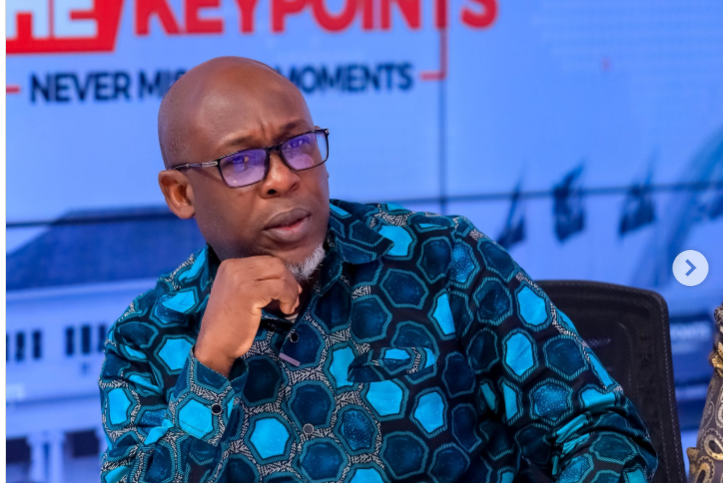
Vice President of IMANI Africa, Kofi Bentil, has acknowledged signs of improvement in Ghana’s economy but questioned the long-term sustainability of some of the policies driving the recovery, particularly the domestic gold programme.
Speaking on KeyPoints on May 9, Bentil admitted that the economy is currently in a better state compared to previous years but argued that attention must also be paid to the strategies being used to achieve those gains.
“I don’t run defence for the previous government. The economy was abysmal,” he said, noting that the real conversation should focus on whether the current policies can deliver lasting stability.
According to him, economic decisions should not only be measured by short-term success but also by their future impact on the country.
READ MORE: How to save money as a student in Ghana
“You don’t sell your house to buy food. When the food is finished, where will you live?” he said.
Bentil expressed concern over Ghana’s domestic gold purchase policy, warning that although it has helped generate foreign exchange and stabilise the cedi, it may not remain sustainable if it continues to operate at a loss.
He explained that relying on gold sales to support the economy could create long-term challenges if the country’s reserves are gradually depleted.
“What are you talking about? We are selling gold designed to make losses,” he said, stressing the need for careful evaluation of the policy’s long-term consequences.
READ MORE: Top 10 European countries that pay the best salaries in 2026
Despite his concerns, Bentil admitted that the programme has played a role in easing economic pressure by injecting foreign currency into the economy.
“The money from gold has helped reduce pressure in the economy. That is part of what has made things cooler,” he noted.
He further stated that while the current administration may point to the policy as a success, political interpretations of such economic measures often differ depending on who is in power.
“Facts are facts, but interpretation is where politics comes in,” he added.
Abilla Isaac Azumah
Junoir Editor
Abilla Isaac Azumah is a journalist at GH News Media covering business and national developments in Ghana.