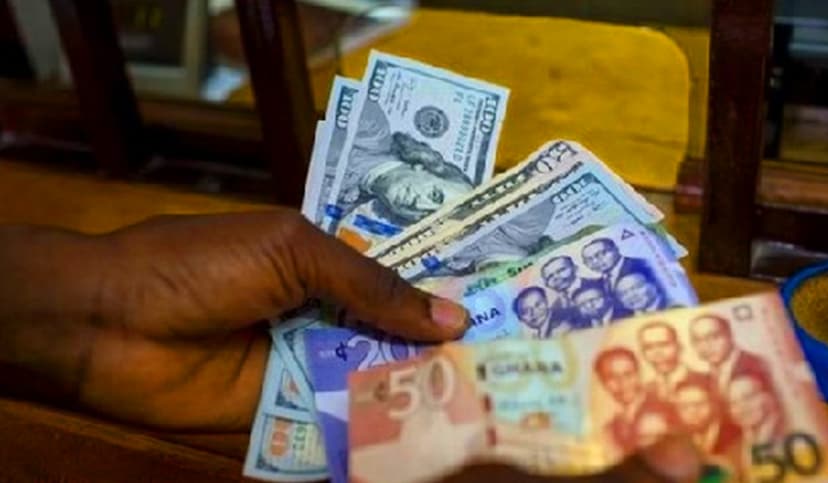
How to save money as a student in Ghana
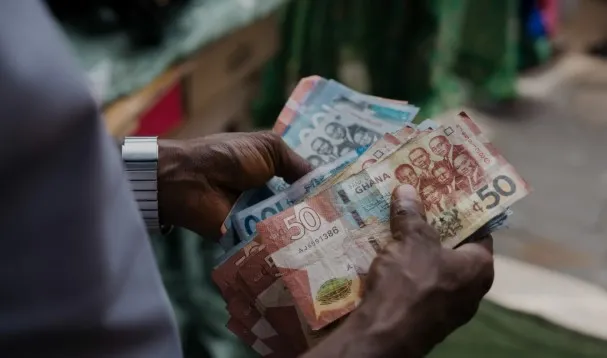
Being a student in Ghana comes with its own financial pressure. Between accommodation, feeding, transport, data, and academic costs, money can run out quickly if you are not careful. The good news is that with a few smart habits, you can manage your money better and avoid constant financial stress.
Here are practical, easy-to-follow ways to save money as a student in Ghana.
1. Know Where Your Money Goes
If you don’t track your spending, money will “disappear” without explanation. Start by simply noting what you spend on daily—food, transport, airtime, and everything else. Once you see the pattern, it becomes easier to control it.
READ MORE: Top 10 European countries that pay the best salaries in 2026
2. Set a Simple Budget (and Stick to It)
You don’t need anything complicated. Just divide your money into basic categories like feeding, transport, data, and savings. The key is discipline—once your “food money” is finished, avoid dipping into other areas.
3. Stop Spending on Small Unnecessary Things
It’s often the small expenses that drain students the most—constant snacks, fast food, impulse buying, or random hangouts. Try cooking simple meals and reducing how often you eat out. It makes a big difference over time.
4. Use Student-Friendly Deals
Many shops around campuses in Ghana offer cheaper prices for students. Don’t be shy to ask for discounts or look for affordable options near school. Every small reduction helps.
5. Share Costs With Friends
Living or doing things together with trusted friends can save money. You can share rent, data bundles, and transport fares or even buy groceries in bulk. It’s cheaper and more manageable.
READ MORE: Full list of authorised Forex Exchange Bureaux in Ghana
6. Be Careful With Data Spending
Mobile data can quietly drain your money. Use campus Wi-Fi when available, turn off background data, and avoid unnecessary streaming when you’re low on cash.
7. Try Small Side Hustles
If possible, find a small source of income. It could be tutoring, freelancing, selling items on campus, or simple online work. Even small earnings reduce pressure on your allowance.
8. Save Something—No Matter How Small
Saving doesn’t have to be big. Even a few cedis every week adds up over time. The habit matters more than the amount.
Edem Kwame
Edem Kwame is a journalist at GH News Media covering business and national developments in Ghana.