Bank of Ghana moves to license non-interest banking institutions
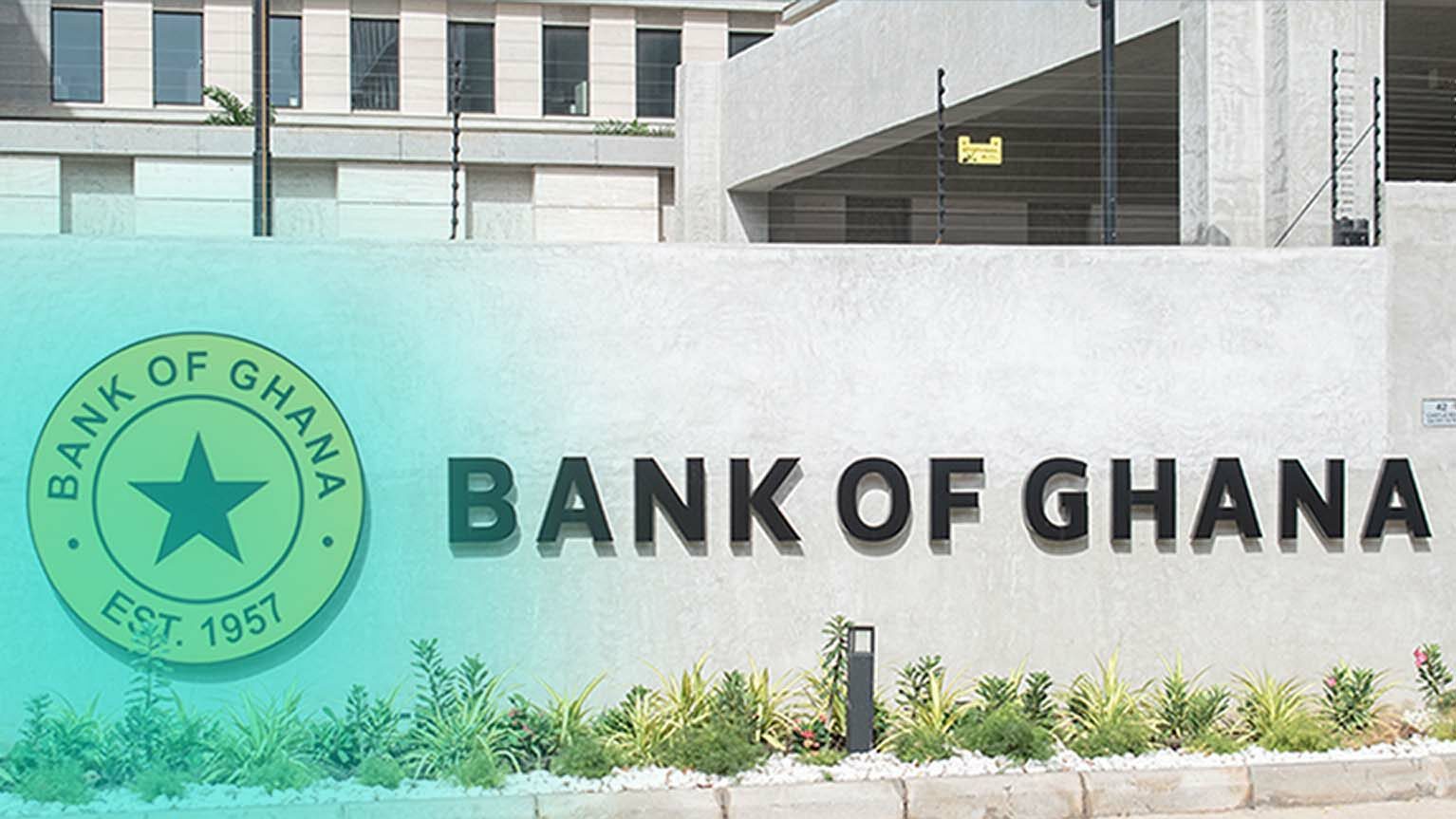
The Bank of Ghana (BoG) has unveiled plans to license fully fledged financial institutions dedicated exclusively to non-interest banking and finance (NIBF) services, marking a significant step toward diversifying the country’s financial landscape.
Under this initiative, once the supporting regulatory framework is finalised, both new and existing financial institutions will be permitted to apply for licences to offer non-interest financial products. Although the Banks and Specialised Deposit-Taking Institutions Act, 2016 (Act 930) already recognises non-interest banking as a legitimate activity, implementation has been stalled for years due to the absence of operational guidelines.
To bridge this regulatory gap, the central bank has begun extensive engagements with financial sector stakeholders, aimed at building technical expertise and preparing the industry for a structured rollout of NIBF services.
At a stakeholder engagement session in Accra, Professor John Gatsi, Advisor on Non-Interest Banking and Finance at the BoG, noted that Ghana was drawing insights from countries such as Nigeria, Kenya, Togo and Benin, where non-interest finance models are already well established. He emphasised the BoG’s commitment to providing clear regulatory direction to support both standalone NIBF institutions and specialised NIBF windows within existing banks.
Regulatory Clarity
Prof. Gatsi underscored that the renewed push by the BoG aims to provide long-awaited regulatory clarity for a model that legally exists but has lacked implementation guidelines.
“Act 930 already makes room for non-interest banking as a permissible activity, but without regulations, nobody could operationalise it,” he explained.
He added that the central bank was now focused on issuing the directives required to allow both new entrants and established financial institutions to operate confidently within the NIBF framework.
READ MORE: BoG suspends 0.75% MTN MoMo-to-Bank transfer fee
Building Capacity
As part of the preparatory work, Prof. Gatsi revealed that the BoG is engaging industry players and bolstering capacity across the financial sector to ensure institutions are sufficiently equipped ahead of licensing.
“What we are doing today is capacity-building because if you don’t have people who are knowledgeable in the non-interest banking space, then you cannot give them a licence,” he said.
Some institutions, he noted, have already started training staff locally and internationally to align with global best practices. The BoG expects a broad spectrum of financial entities — including Fintechs, microfinance companies, rural and community banks, savings and loans firms, and capital market operators — to take similar steps.
Learning From the Region
Prof. Gatsi highlighted that Ghana is benefiting from lessons across the subregion, where non-interest banking has matured.
“Nigeria, Kenya, Togo and Benin have all implemented versions of this model, and we are learning from their experiences,” he said.
He noted that Ghana and Liberia remain the only West African countries yet to operationalise non-interest banking fully, although Liberia is also preparing to roll out its framework. The model, he stressed, is not designed to replace conventional banking but to complement it.
“It is not coming to overshadow the conventional banking system. It is an alternative model based on risk-sharing and profit-sharing, with the potential to transform the financial sector’s support for the real economy,” he added.
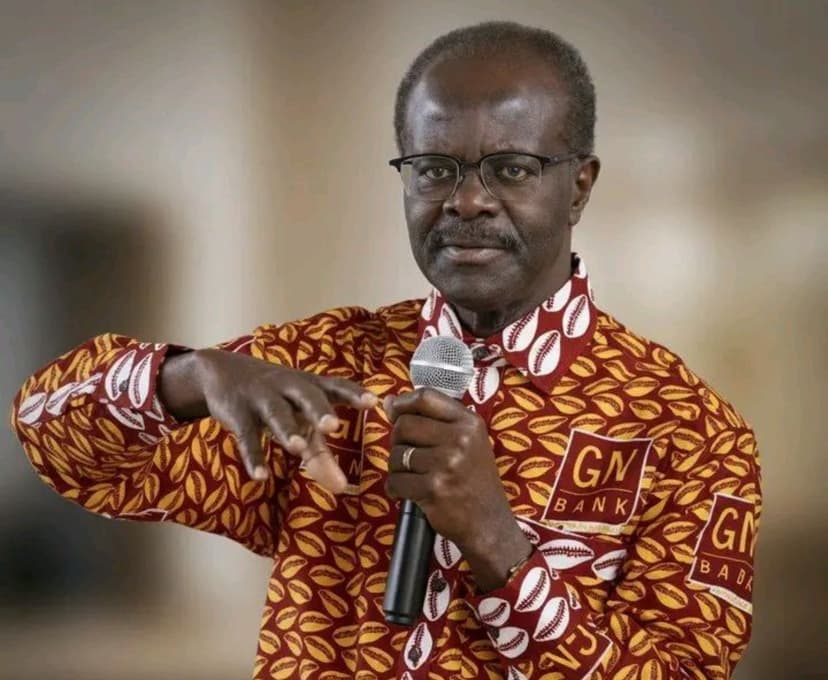
READ MORE: Court orders GN Bank licence restored in major legal win over Bank of Ghana
Collaboration and Inclusivity
Ismail Adam, Head of the Banking Supervision Department at the BoG, attributed the progress on NIBF to an inclusive engagement process that involved both Christian and Muslim stakeholders to ensure the model aligns with Ghana’s secular values.
This collaborative approach, he said, has enhanced regulatory coordination with the Securities and Exchange Commission (SEC) and the National Insurance Commission (NIC).
“Both Christians and Muslims have agreed to call this novel concept non-interest banking and finance to reflect the secularity and common principles that we share as a nation,” he noted.
He urged financial institutions to intensify staff training and strengthen technical readiness, stating that the stakeholder-driven approach places Ghana in a strong position to introduce NIBF in a way that fosters financial stability and broad participation.
SEC Prepared for Rollout
The acting Director-General of the SEC, Dr James Kludze Avedzi, reaffirmed the commission’s readiness to support the introduction of non-interest financial instruments. He noted that the SEC has been part of the process “from day one,” collaborating closely with the BoG through joint learning and capacity-building.
Drawing on examples from Nigeria, Kenya and Tanzania, where non-interest bonds have been successfully issued, Dr Avedzi revealed that the SEC is developing guidelines to regulate similar instruments locally.
“We are ready as a commission, and we are equipping our staff to ensure we can effectively guide and supervise the issuance of Sukuk and other non-interest products,” he said.
Edem Kwame
Edem Kwame is a journalist at GH News Media covering business and national developments in Ghana.