Bank of Ghana tightens oversight of IMTOs
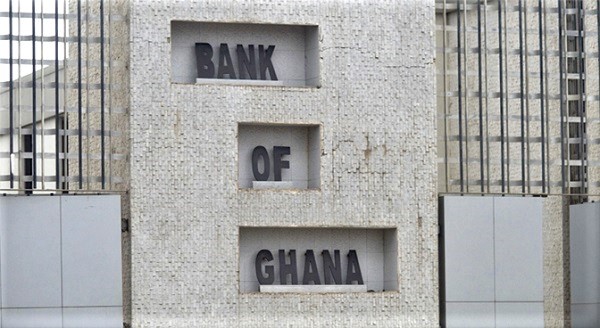
The Bank of Ghana (BoG) has introduced comprehensive regulations for International Money Transfer Operators (IMTOs) to strengthen oversight, protect consumers, and safeguard the integrity of the country’s remittance sector.
The new guidelines, issued last month, set a stricter licensing and operational framework for all entities involved in receiving inward remittances, including IMTOs, banks, and payment service providers. BoG described remittances as a “vital pillar of Ghana’s socio-economic development” and stressed that the fast-evolving digital financial landscape requires robust regulatory measures to maintain public confidence and financial stability.
READ MORE: BoG suspends 0.75% MTN MoMo-to-Bank transfer fee
Under the regulations, prospective IMTOs must hold a valid licence in their home jurisdiction and submit detailed applications to BoG, including shareholder structures, profiles of ultimate beneficial owners, and proof of strong internal controls. The central bank will review complete applications within 90 days, and registration, once granted, is non-transferable.
Operational Restrictions and Compliance Requirements
Registered IMTOs are now limited to facilitating inward person-to-person remittances only. They are prohibited from conducting outbound transfers, accepting deposits, issuing loans, or engaging in foreign exchange trading. Additionally, remittances must be paid exclusively to individual beneficiaries, not business or corporate accounts, and all transactions must be settled in Ghana Cedis through designated bank accounts at rates based on the Average Opening Bloomberg USD/GHS Regional (REGN) bid-ask range or equivalent currency pair rate.
IMTOs and their agents are required to capture detailed transaction data, including the purpose of transfers and beneficiary information, and retain records for a minimum of six years. Monthly data returns must be submitted by the ninth working day of the following month, while suspicious transactions must be reported within 24 hours.
READ MORE: Court orders GN Bank licence restored in major legal win over Bank of Ghana
IMTOs must operate through approved agent banks or payment service providers under formal Service Level Agreements (SLAs). They bear ultimate responsibility for compliance, including anti-money laundering, counter-terrorist financing, and counter-proliferation measures, and must actively monitor their agents.
Non-compliance carries severe penalties, including fines starting at 1,000 penalty units, suspension, or outright de-registration. Existing operators have been given a three-month transitional period to align with the new requirements.
BoG says the guidelines are designed to formalise partnerships across the remittance ecosystem, strengthen Ghana’s defences against financial crime, and support the continued growth of a critical source of foreign exchange.
Edem Kwame
Edem Kwame is a journalist at GH News Media covering business and national developments in Ghana.