Nipah Virus: What You Need to Know About the Recent Cases in India
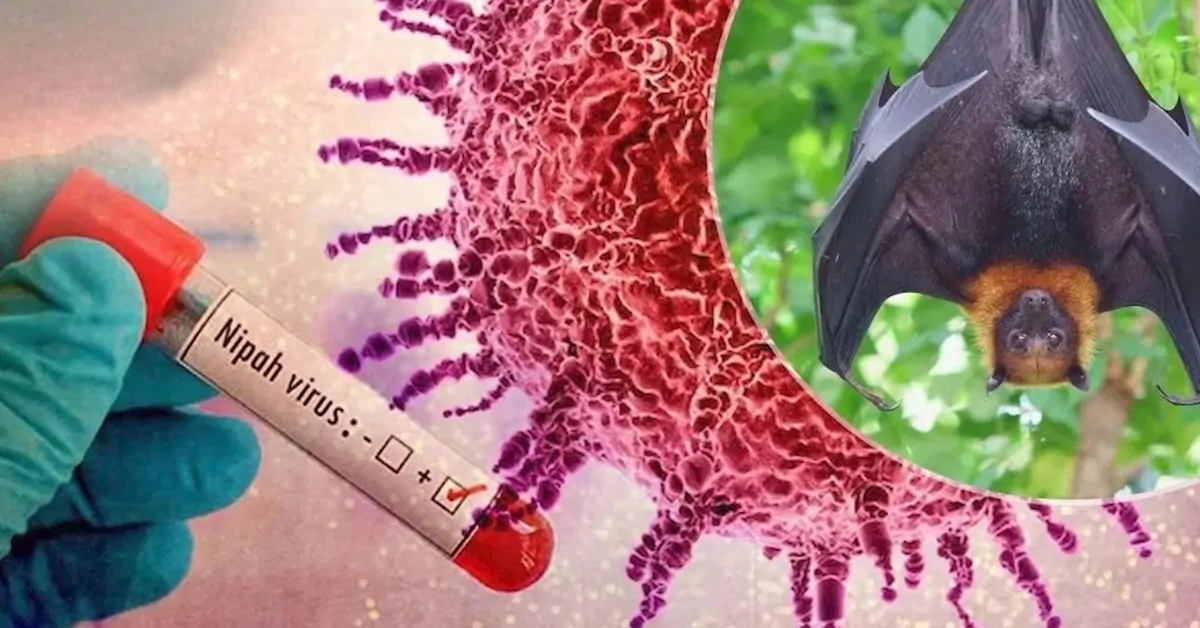
Officials in India have confirmed two cases of Nipah virus infection, a rare but potentially fatal disease. The patients are two nurses working at a private hospital near Kolkata in the state of West Bengal. One of the nurses is reported to be in critical condition, according to coverage by The Telegraph, The Independent, and USA TODAY.
In response to the confirmed infections, health authorities in India are stepping up efforts to contain the virus and prevent further spread. Some airports in Asia have also increased passenger screening to detect early signs of infection and reduce the risk of the virus spreading internationally.
Where Are Nipah Virus Cases Occurring?
The two confirmed Nipah infections are in West Bengal, India, near Kolkata. Both patients are nurses who were likely exposed while caring for infected individuals. While these cases are serious, health officials are working to trace contacts, isolate anyone exposed, and monitor for additional infections.
Other countries, especially in Asia, have implemented enhanced screening at airports for travellers entering from India. This extra layer of monitoring is intended to identify anyone showing symptoms early and reduce the chance of international spread.
What Is Nipah Virus?
Nipah virus (often abbreviated NiV) is a zoonotic virus, which means it can jump from animals to humans. It’s carried by fruit bats, also known as flying foxes, and can spread to other animals like pigs and then to humans.
First identified in Malaysia in 1998, Nipah virus outbreaks have occurred in South and Southeast Asia, including Bangladesh and India. According to the World Health Organization (WHO) and the U.S. Centers for Disease Control and Prevention (CDC), the virus is very serious and can cause severe illness.
The fatality rate for Nipah virus infections has been estimated between 40% and 75%, depending on how quickly patients receive care and supportive treatment.
How Does Nipah Virus Spread?
Nipah virus is typically transmitted in several ways:
Direct contact with infected bats, their saliva, urine, or secretions on fruit or surfaces
Close contact with infected animals, especially pigs
Person‑to‑person transmission, particularly in healthcare or caregiving settings
READ MORE: UG students protest 90% hostel fee hike at Pent Hall
To date, the virus has not been detected in the United States, but global health agencies remain alert.
What Are the Symptoms of Nipah Virus?
Symptoms of Nipah virus infection usually develop within 4–14 days after exposure. They can range from mild to severe, and early recognition is key to supportive treatment. Common symptoms include:
Fever
Headache
Cough or sore throat
Difficulty breathing or respiratory distress
In more severe cases, Nipah virus can cause encephalitis — inflammation of the brain — which may lead to seizures, disorientation, coma, and sometimes death.
Because these symptoms are similar to many other infections, health workers focus on travel history and exposure risk to identify potential Nipah cases.
What Are Health Authorities Doing?
In India, public health teams are:
Quarantining contacts of the confirmed cases
Monitoring symptoms among healthcare workers and family contacts
READ MORE: ORAL: BNI arrests 4 PDS officials over suspected ECG funds transfer
Increasing surveillance in areas where infection may spread
Internationally, several airports in Asia have increased passenger health screening, especially for flights arriving from West Bengal. This includes temperature checks and health questionnaires to detect symptoms early.
Global health organisations like WHO and CDC are closely watching the situation, providing guidance on infection control and prevention.
How Serious Is the Risk to the Public?
Nipah virus infections are rare, and the risk to the general public remains low, especially outside regions with confirmed cases. However, health authorities are taking the current situation seriously because of the virus’s high fatality rate and potential for person‑to‑person spread.
If you live in or plan to travel to affected areas, it’s important to:
Follow advice from local health officials.
Practice good hand hygiene
Avoid contact with sick animals or bats.
Seek medical care if you develop symptoms after exposure.
Bottom Line: What to Know
Nipah virus is a serious infection carried by fruit bats that can spread to humans and cause severe illness. Two cases have recently been confirmed in India among healthcare workers, prompting quarantine measures and increased airport screenings in parts of Asia.
Although rare, Nipah infections can be deadly, and health authorities are working actively to prevent further spread. Staying informed and following public health guidance is key to keeping yourself and your community safe.
Edem Kwame
Edem Kwame is a journalist at GH News Media covering news and national developments in Ghana.