10 factors that account for helicopter crashes
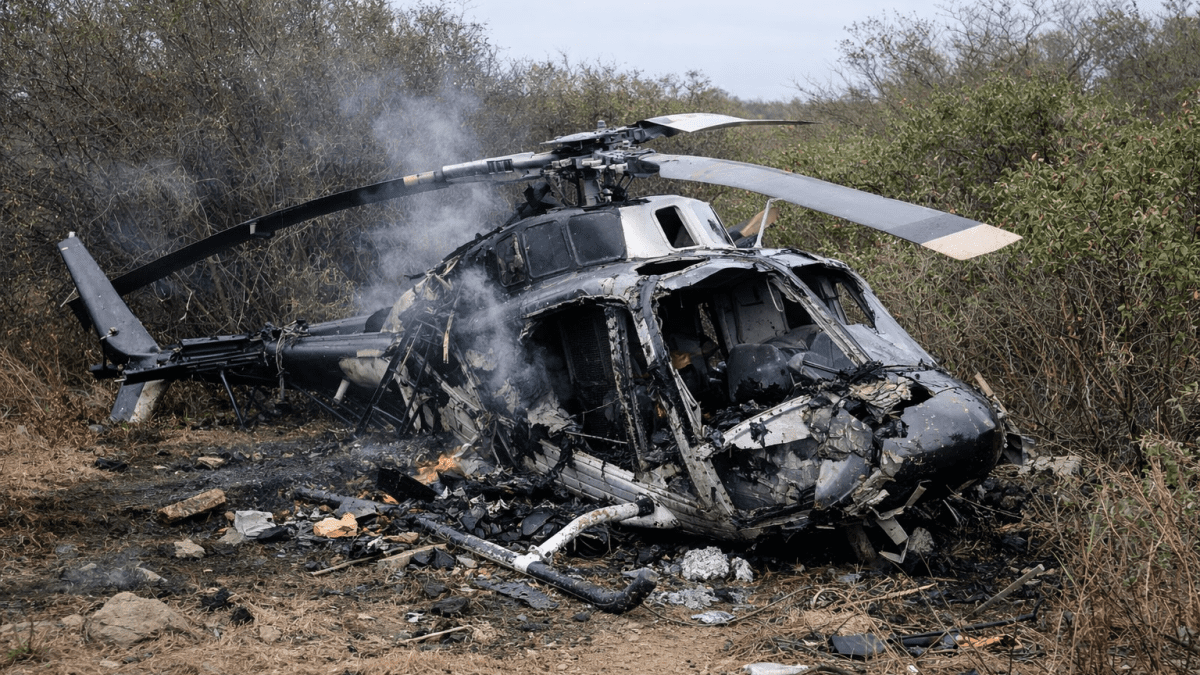
Helicopter operations play a vital role in emergency response, medical evacuation, security operations, offshore transport, tourism, and military missions. Despite their versatility and advanced engineering, helicopters remain complex aircraft that require precise operation and strict maintenance standards. When accidents occur, investigations often reveal that crashes result from a combination of factors rather than a single cause. Understanding these contributing elements is essential for improving aviation safety and preventing future incidents.
1. Human Factors (Pilot Error)
Human error remains one of the most significant contributors to helicopter accidents. Helicopters demand high levels of skill, coordination, and situational awareness. Common pilot-related factors include misjudgment during takeoff or landing, poor decision-making in adverse conditions, loss of spatial awareness, and improper handling during emergencies. Fatigue, stress, inadequate training, and distraction can also impair performance. Because helicopter flight often occurs at low altitudes and in dynamic environments, even minor errors can quickly escalate into critical situations.
2. Mechanical and Technical Failures
Mechanical malfunction is another major cause of helicopter crashes. Helicopters contain numerous moving components, including rotors, engines, transmissions, and hydraulic systems. Failure in any critical system can result in loss of control. Common technical issues include engine failure, tail rotor malfunction, transmission breakdown, structural fatigue, and component defects. Regular inspection and maintenance are essential to detect wear and prevent equipment failure. When maintenance standards are not properly followed, the risk of mechanical-related accidents increases significantly.
3. Adverse Weather Conditions
Weather plays a crucial role in aviation safety. Helicopters are particularly sensitive to environmental conditions such as strong winds, heavy rain, fog, thunderstorms, and icing. Poor visibility can lead to disorientation and difficulty in navigation. Sudden wind changes or turbulence may destabilise the aircraft, especially during landing or low-altitude flight. In many cases, accidents occur when pilots attempt to continue flying despite deteriorating weather conditions. Proper weather assessment and adherence to safety protocols are vital in reducing weather-related risks.
READ MORE: GES bans over 40 invigilators ahead of BECE 2026
4. Fuel-Related Problems
Fuel management is a critical aspect of helicopter operations. Accidents may occur due to fuel exhaustion, contamination, leaks, or incorrect fuel calculations. Running out of fuel can lead to engine shutdown, forcing an emergency landing. Contaminated fuel may damage engine components and reduce performance. Effective monitoring systems and pre-flight checks help ensure adequate fuel supply and prevent avoidable incidents.
5. Maintenance Deficiencies
Proper maintenance is essential for safe helicopter operation. Failure to conduct routine inspections or follow manufacturer guidelines can result in undetected faults. Inadequate repairs, use of uncertified parts, and poor-quality servicing increase the likelihood of technical failure. Aviation authorities enforce strict maintenance regulations to ensure aircraft remain airworthy. Compliance with these standards significantly reduces the risk of mechanical accidents.
6. Weight and Balance Issues
Helicopters are highly sensitive to weight distribution. Overloading or improper loading can affect stability and manoeuvrability. Incorrect balance may cause difficulty during takeoff, hovering, or landing. Exceeding the maximum allowable weight can strain the engine and rotor system. Proper load calculation and adherence to weight limits are therefore critical safety measures.
7. Controlled Flight Into Terrain (CFIT)
Controlled Flight Into Terrain occurs when an aircraft, under the full control of the pilot, unintentionally collides with the ground, water, or an obstacle. This often results from poor visibility, navigational errors, or spatial disorientation. CFIT incidents are especially common in low-altitude operations where obstacles may not be clearly visible. Advanced navigation systems and improved training help reduce such occurrences.
8. Bird Strikes and External Hazards
Although less frequent, collisions with birds or external objects can contribute to helicopter crashes. Bird strikes may damage rotor blades, windscreens, or engine components. Additionally, helicopters operating in urban or industrial environments may encounter obstacles such as cables, cranes, or tall structures. Careful route planning and situational awareness are important preventive measures.
READ MORE: GES warns against BECE ‘apor’ as 620,000 candidates prepare for exams
9. Design or Manufacturing Defects
In rare cases, structural or design flaws may contribute to accidents. These issues may involve material weaknesses, production errors, or component failures identified after manufacturing. When such defects are discovered, aviation authorities may issue safety directives, grounding orders, or design modifications to prevent recurrence.
10. External and Unusual Factors
Other contributing elements may include mid-air collisions, severe turbulence, sabotage, or unexpected environmental events. While uncommon, these factors demonstrate the complex operating environment in which helicopters function.
Conclusion
Helicopter crashes are typically the result of multiple interacting factors, including human error, mechanical failure, adverse weather, maintenance shortcomings, and operational challenges. Aviation safety depends on rigorous training, strict maintenance procedures, advanced technology, and adherence to regulatory standards. Continuous monitoring, risk assessment, and improved safety systems remain essential to reducing accidents and ensuring safe helicopter operations worldwide.
Edem Kwame
Edem Kwame is a journalist at GH News Media covering news and national developments in Ghana.