World’s 10 largest rainforests and where they are found
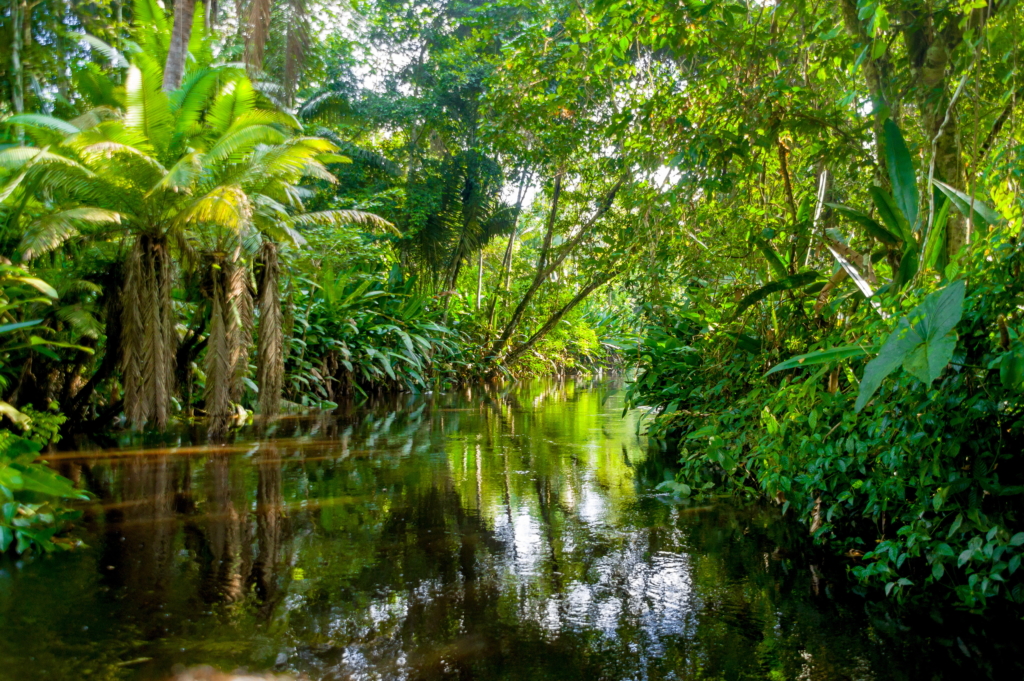
Rainforests are among the most vital ecosystems on Earth, storing carbon, stabilising global climate, and supporting more than half of all terrestrial species. Although they cover less than 6% of the planet’s surface, their ecological value is immeasurable.
Below is an expertly organised guide to the world’s 10 largest rainforests, their locations, and the remarkable biodiversity they hold.
The world’s 10 largest rainforests
1. Amazon Rainforest (South America)
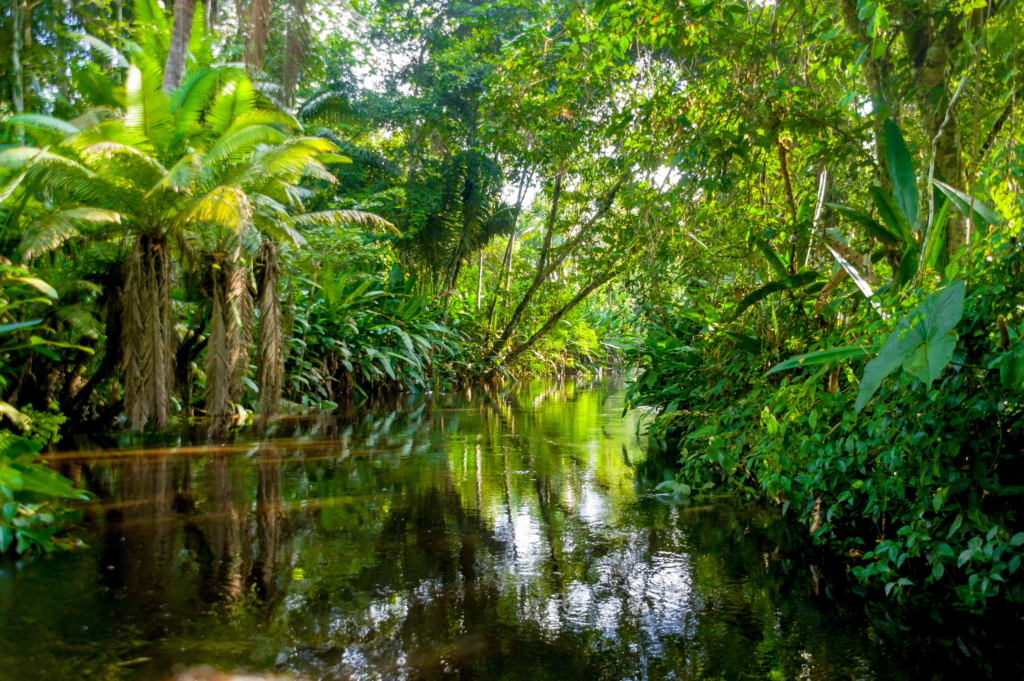
Location: Brazil, Peru, Colombia, Venezuela, Ecuador, Bolivia, Guyana, Suriname, French Guiana
Size: 5.5 million sq km
The Amazon Rainforest is the largest tropical rainforest on Earth and remains unmatched in scale and biodiversity. Stretching across nine countries—60% of it in Brazil—the Amazon contains an estimated 390 billion trees and produces roughly 20% of the world’s oxygen.
It is home to millions of species, including jaguars, macaws, river dolphins and over 2.5 million insect species. More than 400 Indigenous tribes also inhabit the forest, maintaining centuries-old ecological knowledge.
2. Congo Rainforest (Central Africa)
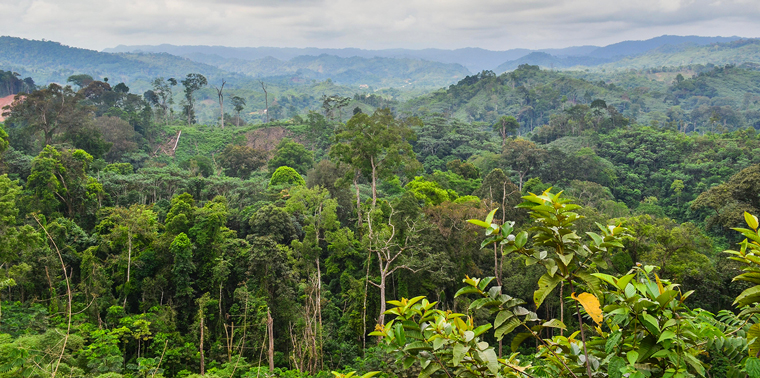
Location: DRC, Republic of Congo, Cameroon, CAR, Equatorial Guinea, Gabon
Size: 1.8 million sq km
The Congo Basin is the world’s second-largest rainforest and Africa’s most significant natural treasure. Known as one of Earth’s “lungs”, it absorbs vast amounts of carbon and influences rainfall across the continent.
It hosts endangered species such as mountain gorillas, forest elephants, okapis and bonobos. Over 75 million people depend directly on its resources.
3. New Guinea Rainforest (Oceania)
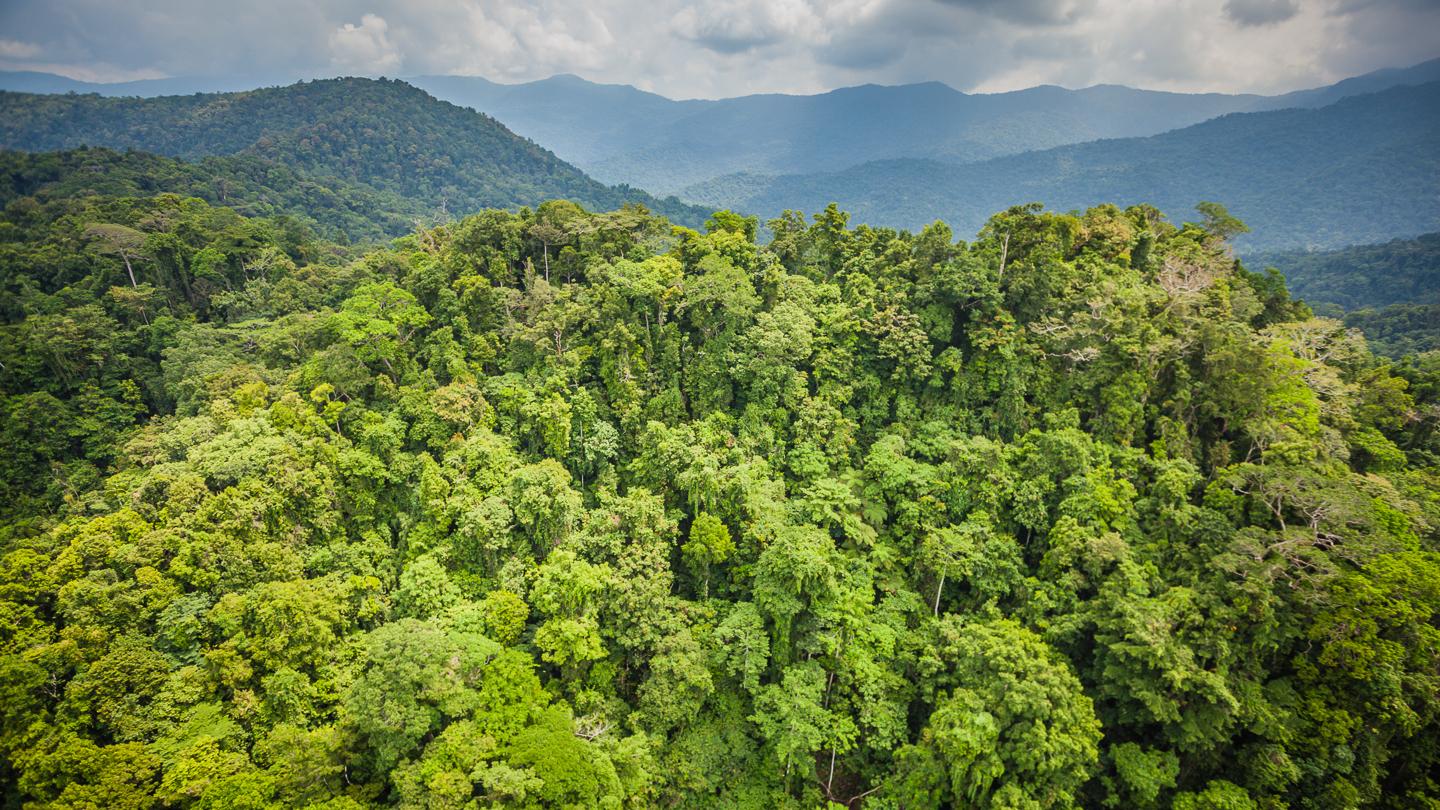
Location: Papua New Guinea, Papua & West Papua (Indonesia)
Size: 288,000 sq km
This is the world’s largest island rainforest and one of the most ancient ecosystems on Earth. Its isolation has produced exceptional biodiversity and some of the highest endemism rates globally.
New Guinea is home to birds of paradise, cassowaries, tree kangaroos and more than 20,000 plant species, including thousands of orchids.
READ MORE: 10 countries that will actually pay you to move there
4. Sundaland Rainforest (Southeast Asia)
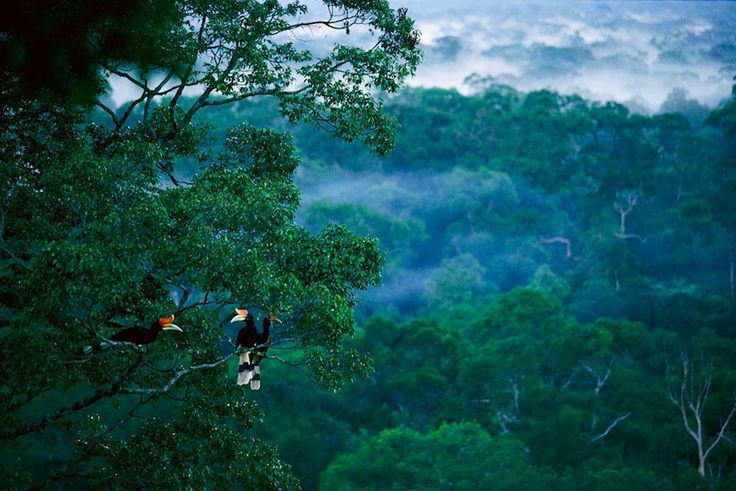
Location: Indonesia (Sumatra, Borneo, Java), Malaysia, Brunei, Singapore, S. Thailand
Size: 197,000 sq km of remaining rainforest
Historically vast, Sundaland’s rainforests are now fragmented due to agriculture and palm oil production.
Yet, they remain one of the world’s richest biodiversity hotspots, sheltering orangutans, Sumatran tigers, Asian elephants, and rare plant species.
5. Mekong Rainforest (Mainland Southeast Asia)
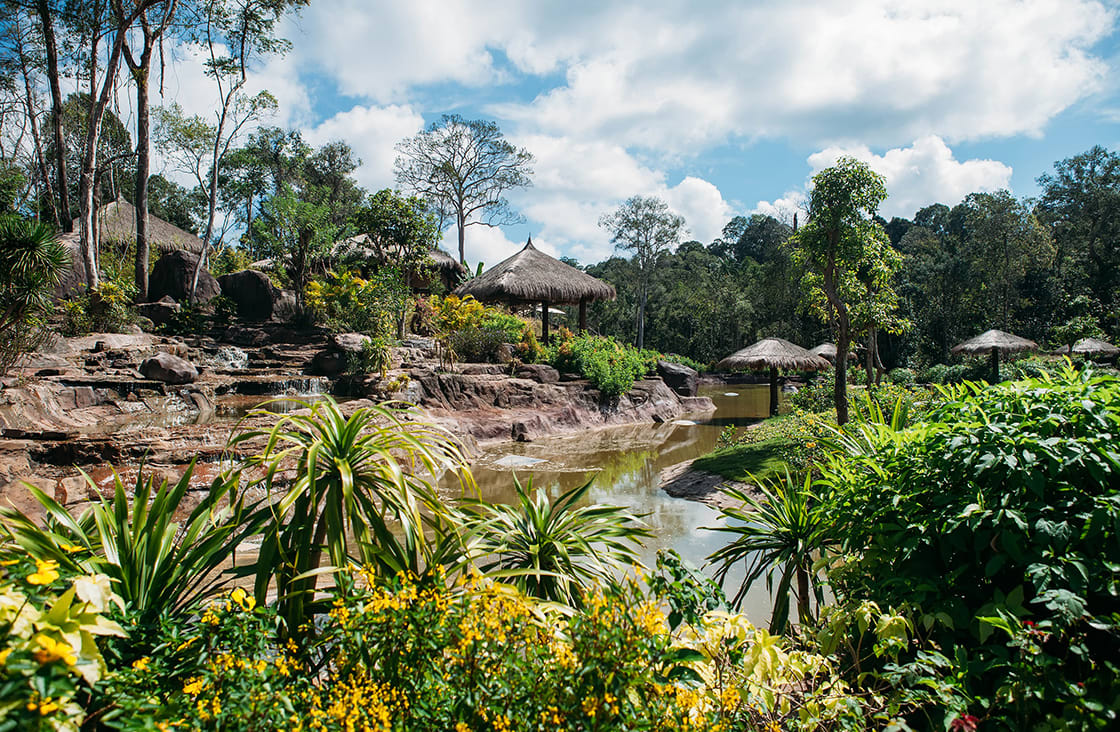
Location: Cambodia, Laos, Myanmar, Thailand, Vietnam
Size: 190,000 sq km
The Greater Mekong rainforest forms a crucial ecological corridor that supports tigers, elephants, Indochinese leopards and the ultra-rare saola.
Over 1,200 new species have been discovered here since 1997, highlighting its conservation importance.
6. Tropical Rainforests of Australia
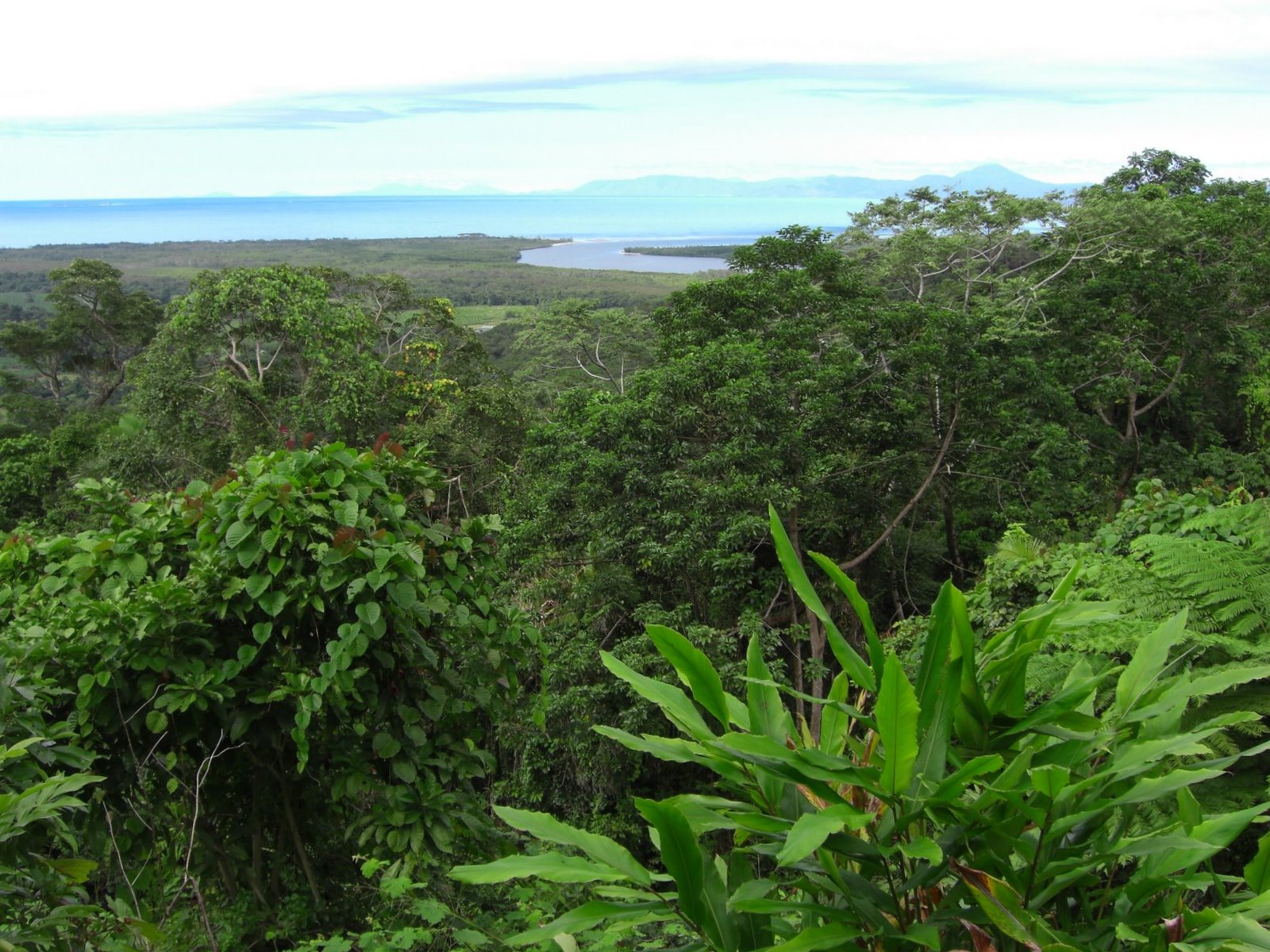
Location: Queensland (Wet Tropics & Daintree regions)
Size: 9,000 sq km
Although smaller in size, Australia’s Wet Tropics are among the world’s oldest rainforests, dating back 180 million years. The Daintree Rainforest, where forest meets the Great Barrier Reef, contains ancient plant families and unique species such as cassowaries and forest dragons.
7. Atlantic Forest (Mata Atlântica)
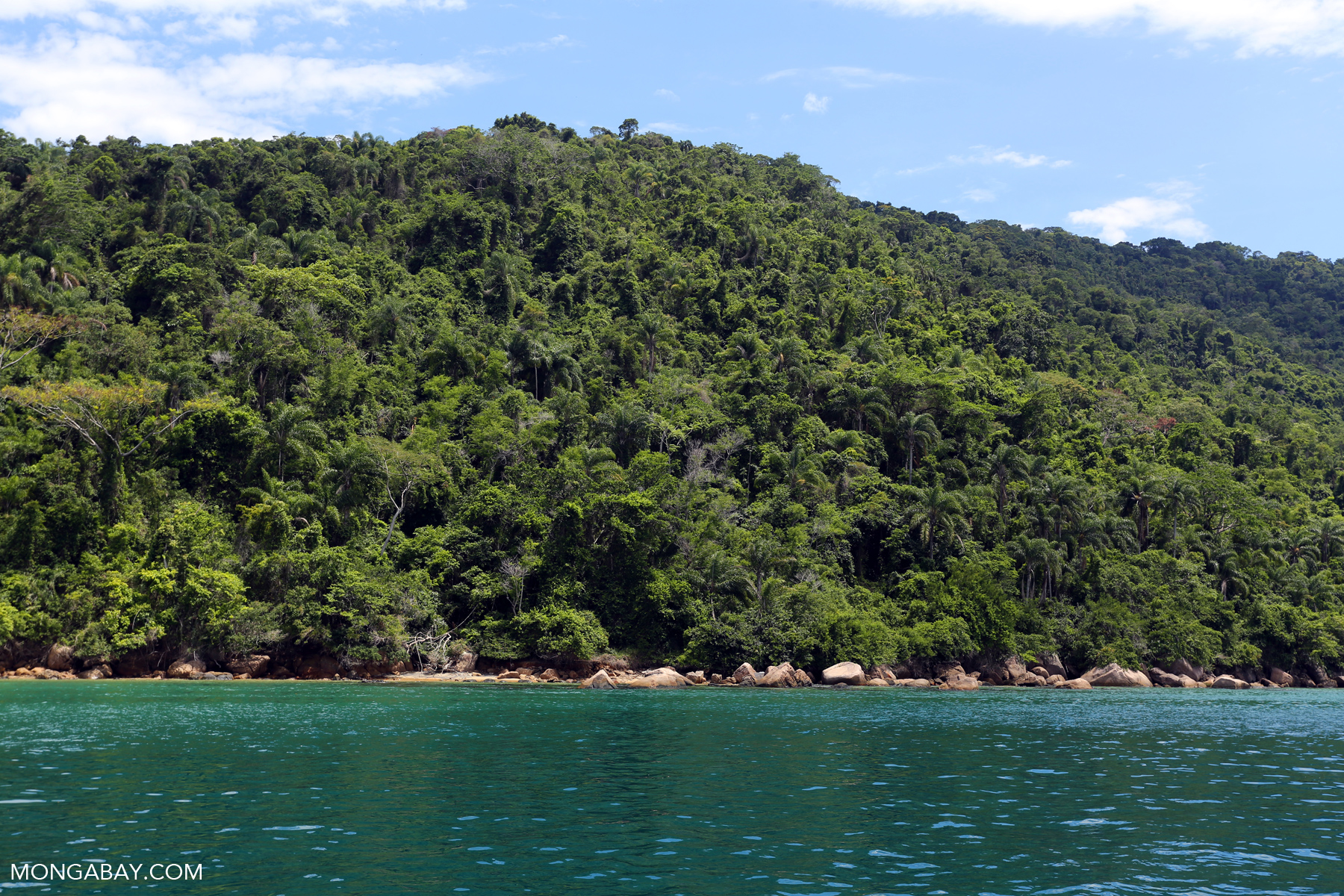
Location: Brazil, Paraguay, Argentina
Size: 148,000 sq km remaining (from 1.3 million sq km originally)
The Atlantic Forest is one of Earth’s most biodiverse yet endangered ecosystems. Despite losing nearly 90% of its original cover, it still hosts golden lion tamarins, woolly spider monkeys, and thousands of endemic plants.
Its proximity to major Brazilian cities makes conservation challenging.
READ MORE: 10 countries that spend the most on weddings
8. Valdivian Temperate Rainforest (South America)
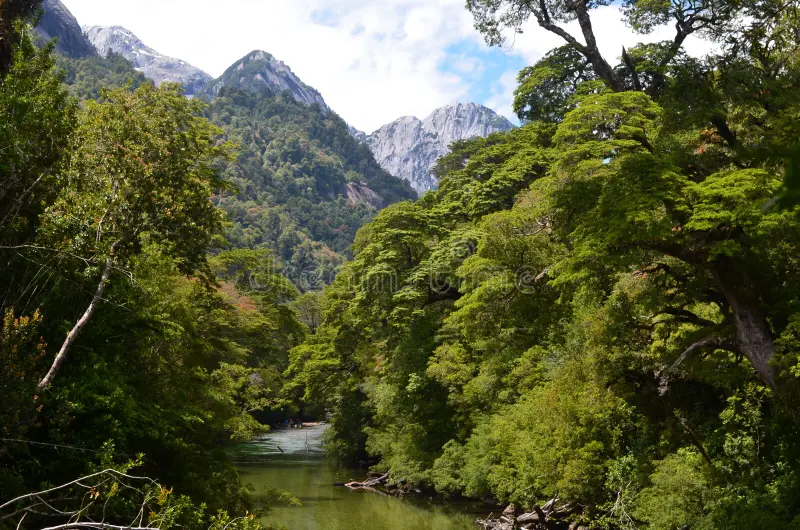
Location: Chile, Argentina
Size: 248,000 sq km
This temperate rainforest is known for dense vegetation, constant rainfall, and ancient tree species such as alerce, which can live over 3,600 years.
Unique wildlife includes the pudú (world’s smallest deer) and the monito del monte, a rare marsupial considered a “living fossil”.
9. Pacific Northwest Rainforest (North America)
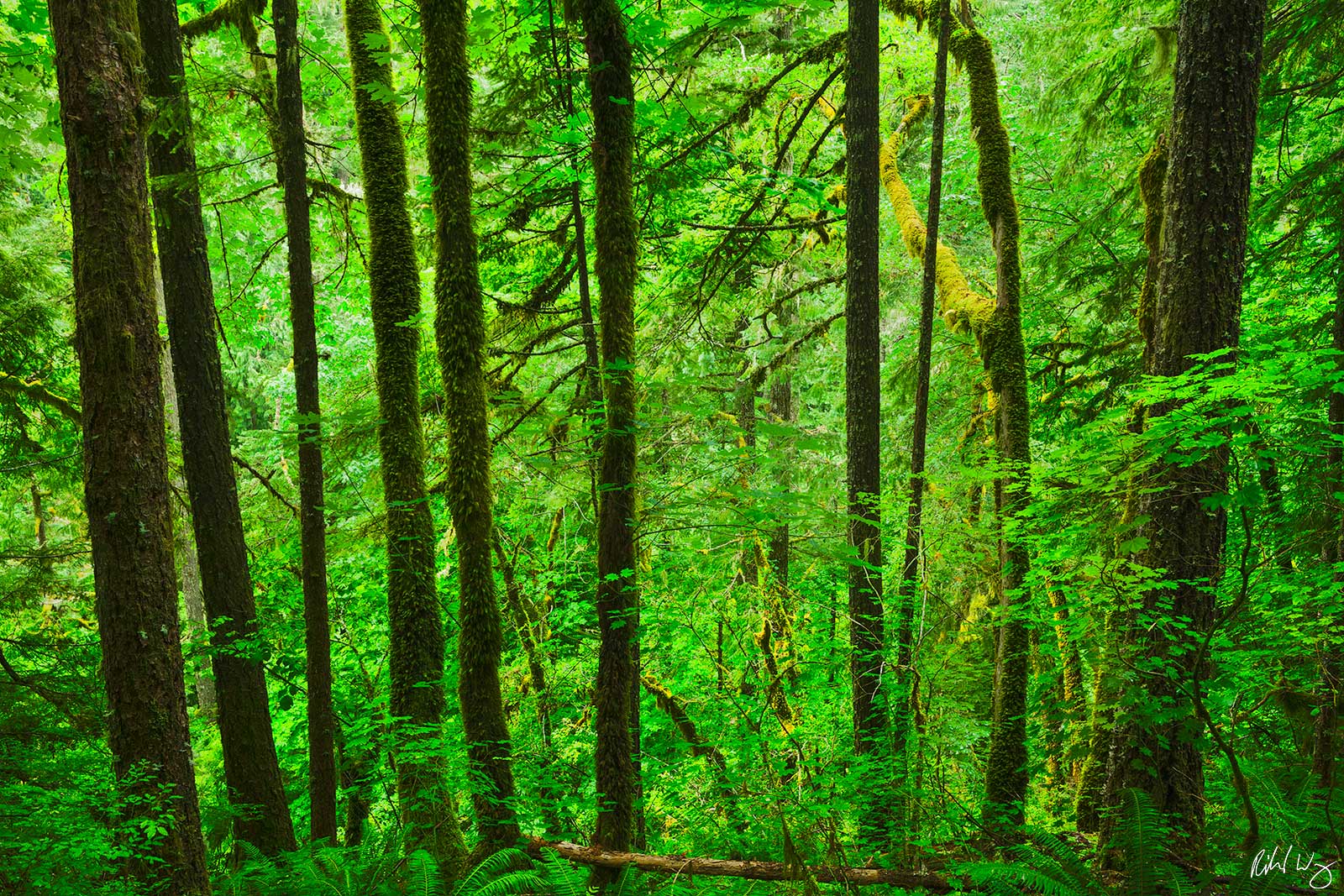
Location: Alaska, British Columbia, Washington, Oregon, Northern California
Size: 73,000 sq km
Famous for some of the tallest trees on Earth, including Sitka spruce and Douglas fir, this rainforest thrives on heavy coastal rainfall.
Its ecosystem is heavily supported by salmon runs that feed bears and eagles and even enrich the soil with nutrients carried from the ocean.
10. Madagascar Rainforest (East Africa)
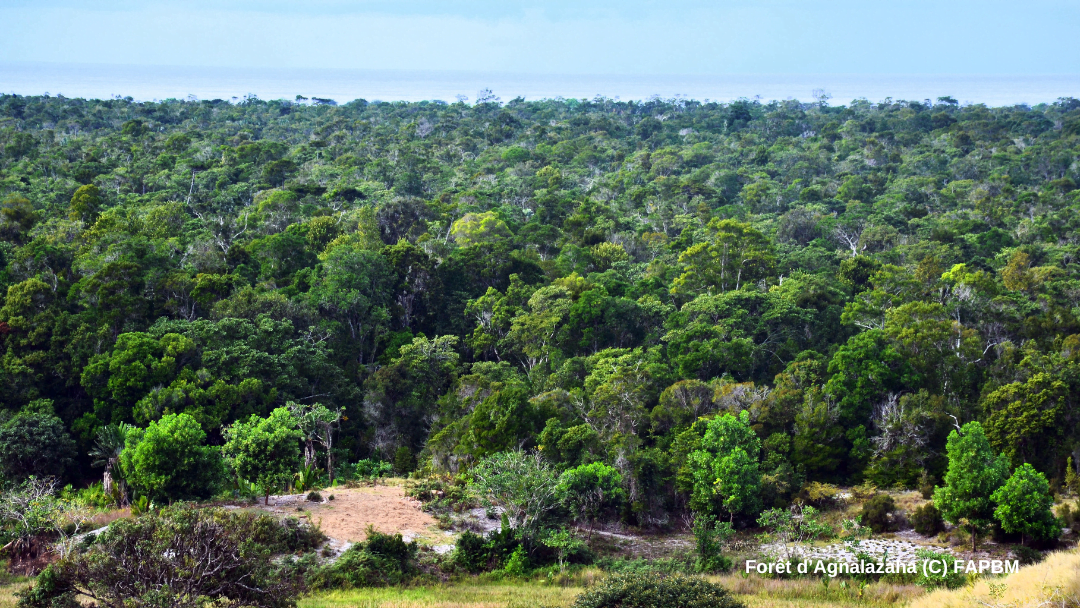
Location: Eastern Madagascar
Size: 50,000 sq km remaining
Madagascar’s rainforests are globally iconic for their extreme endemism—90% of wildlife here exists nowhere else.
Species such as lemurs, fossas, unusual chameleons, and ancient plant families make it one of the planet’s most irreplaceable ecosystems.
However, deforestation poses an existential threat, placing Madagascar among the world’s highest conservation priorities.
Conclusion
The world’s largest rainforests are more than carbon sinks—they are living libraries of evolution, cultural heritage, and ecological resilience. Protecting them is not only essential for biodiversity but also for the stability of the global climate and human survival.
From the immense Amazon to the ancient forests of Australia and the fragile rainforests of Madagascar, each of these ecosystems stands as a reminder of what we must preserve for future generations.
Edem Kwame
Edem Kwame is a journalist at GH News Media covering lifestyle and national developments in Ghana.