5 longest streets in the world
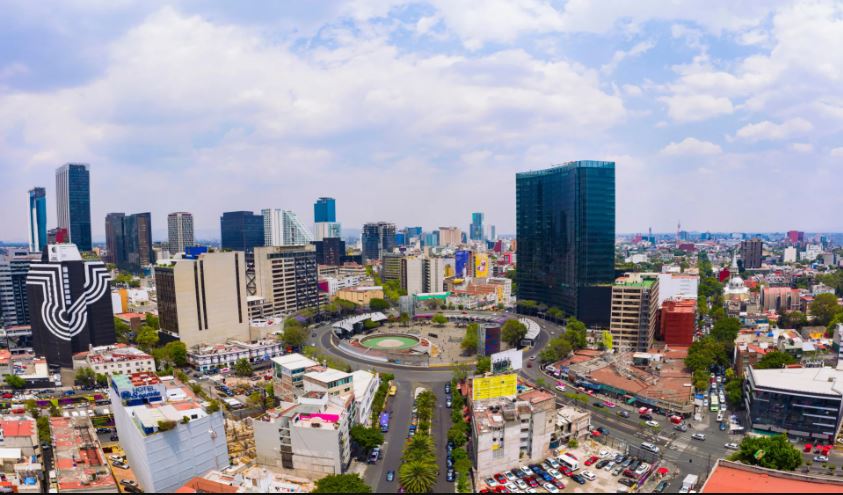
What is the longest street in the world? It's a question that sparks more debate than you might expect. Streets, avenues, and boulevards blur into highways, names change, and records get disputed. But one thing is certain — some of the world's streets stretch so far that walking them would take days. In this guide, we explore the 5 longest streets in the world, covering their lengths, histories, and what makes each one extraordinary.
1. Yonge Street – Toronto, Canada
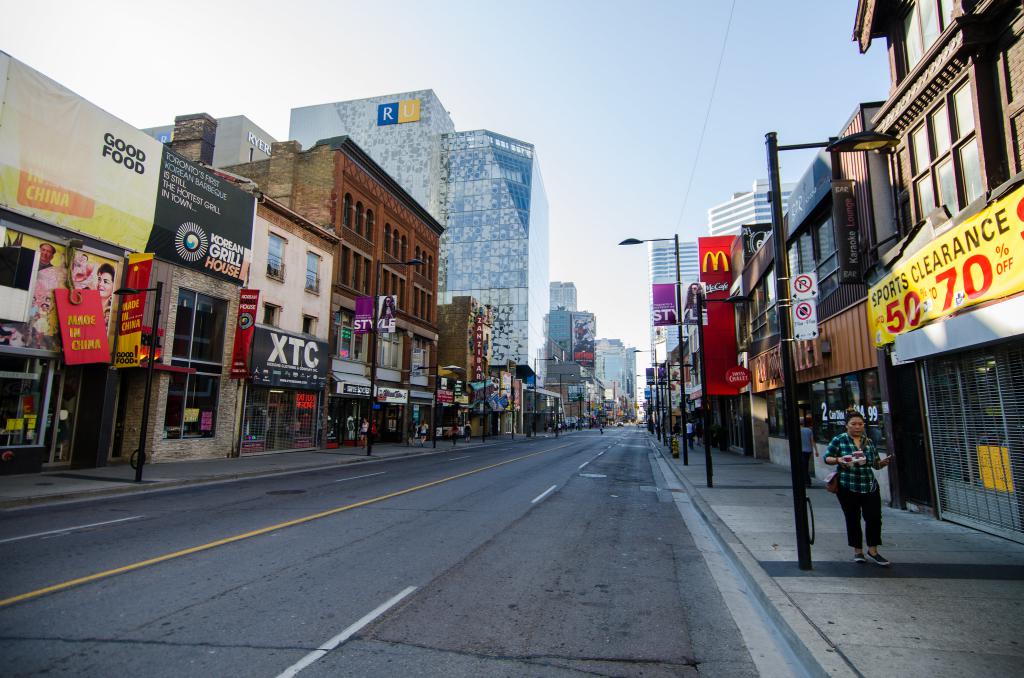
Length: Approximately 56 kilometres (34.8 miles)
Location: Toronto, Ontario, Canada
Named After: Sir George Yonge, the British Secretary of War
Overview
Yonge Street is widely regarded as one of the longest streets in the world and is undoubtedly Canada's most famous road. Stretching from the shores of Lake Ontario in downtown Toronto northward to just beyond Holland Landing, Yonge Street has long been considered the backbone of Ontario's capital city. For decades, the Guinness Book of World Records listed it as the longest street in the world, a claim that was held from 1977 until 1999.
History
Yonge Street dates back to 1794, when Ontario's first colonial administrator, John Graves Simcoe, ordered its construction. It was originally designed as a military supply route connecting Lake Ontario to Lake Simcoe, providing a critical pathway into the Upper Great Lakes region. The street was named in honour of Simcoe's friend, Sir George Yonge, a British secretary of war and a known enthusiast of road-building.
The famous claim that Yonge Street stretched 1,896 kilometres arose from a popular conflation of the street with Ontario's Highway 11, which runs north all the way to the Minnesota border. This misconception was first added to the Guinness Records in 1977 at the request of Toronto writer Jay Myers, who had written a book about the street's history. The claim was quietly dropped in 1999, when Guinness corrected the record.
Today, even by conservative measurements, Yonge Street remains an impressively long urban corridor at around 56 km (or up to 86 km, including the Bradford-to-Barrie extension).
What to See Along Yonge Street
St Lawrence Market – One of the world's great food markets
CN Tower – An iconic Toronto landmark visible from much of the street
Yonge-Dundas Square – Toronto's answer to Times Square
Alexander Muir Gardens – A beautiful green space along the route
Canada's first subway line – Running beneath Yonge Street since 1954, the Yonge–University line is now the busiest subway line in Canada.
Key Facts
Declared a National Historic Site of Canada
Once listed in the Guinness World Records as the world's longest street
Crosses through multiple distinct Toronto neighbourhoods
Home to annual events including parades and major street celebrations
2. Western Avenue – Chicago, USA
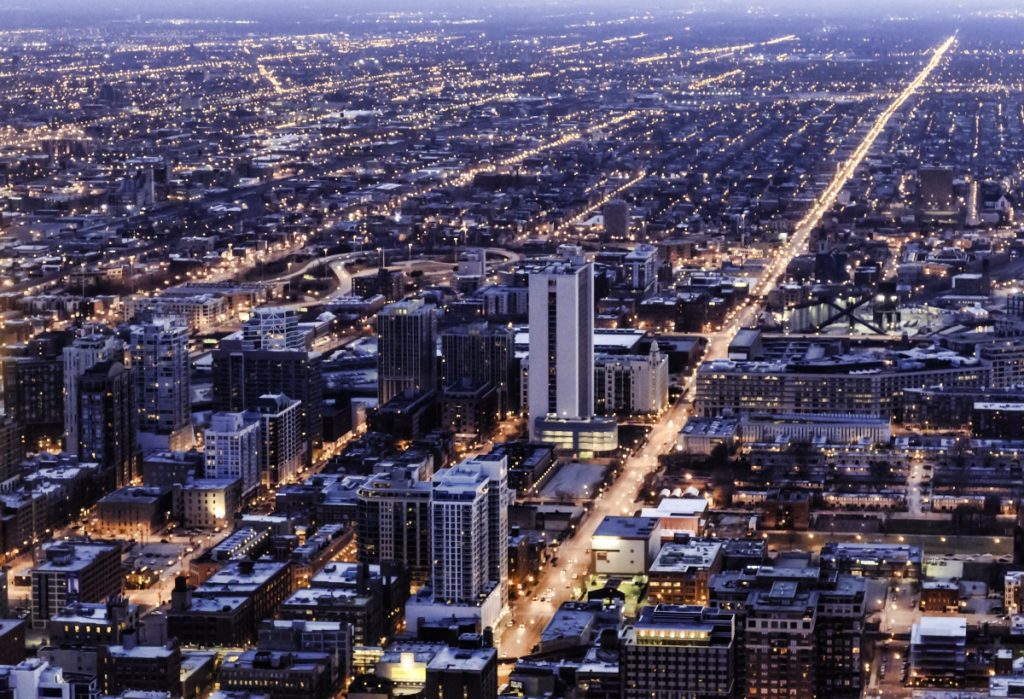
Length: Approximately 44 kilometres (27.4 miles) total; 38.6 km within city limits.
Location: Chicago, Illinois, USA
Named After: It served as the western boundary of Chicago between 1851 and 1869.
Overview
Western Avenue is Chicago's longest street, running 24 miles within the city from Howard Street in the north to 119th Street in the south. When extended beyond Chicago's boundaries to the Will/Kankakee County line, the total road reaches approximately 27.4 miles (44 km). It holds an important place in Chicago's urban identity, slicing through 16 of the city's 77 community areas and serving as a dividing line between dozens of distinct neighbourhoods.
History
Western Avenue was established as the western boundary of the city of Chicago between 1851 and 1869, which is precisely how it earned its name. Over the years, different sections of the road have carried other names — including Asbury Avenue in the northern suburbs, Blue Island, and Robbins — reflecting its patchwork expansion over time.
In 1924, the Chicago City Council briefly renamed the entire street "Woodrow Wilson Road" to honour the recently deceased 28th US president. The ordinance was quickly repealed, and the Western Avenue name was restored. Today, the street passes through an extraordinary variety of communities, making a journey along its length feel like a tour of Chicago's many social and cultural worlds.
What to See Along Western Avenue
Rosehill Cemetery – One of Chicago's oldest and most historic burial grounds
McKinley Park – One of the city's first parks, placed in an industrial zone and designed in 1901
Five CTA "Western" stations – On the Blue, Orange, Pink, and Brown lines
Diverse immigrant and ethnic communities – From West Ridge to Beverly, the street reflects Chicago's rich multicultural heritage.
Numerous car dealerships – A quirky claim to fame the street has held for decades.
Key Facts
Once claimed by some to be the longest street in the world
READ MORE: Sweet Mother's Day sonnet wishes that will make her cry
Intersects with 16 of Chicago's 77 community areas
The annual St Patrick's Day parade route passes through the area
Home to the world's largest motorcycle parade: the Chicagoland Toys for Tots Motorcycle Parade
3. Avenida Rivadavia – Buenos Aires, Argentina
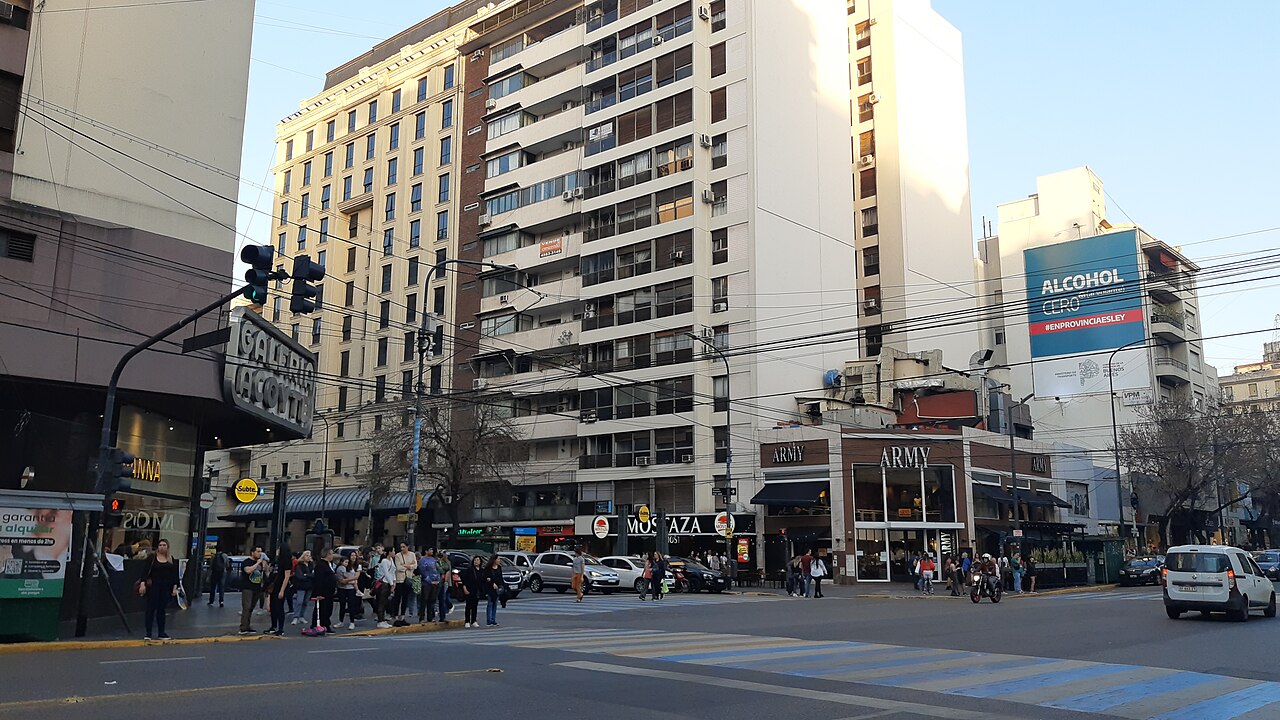
Length: Approximately 35–37 kilometres (21–23 miles)
Location: Buenos Aires, Argentina, stretching west to Merlo, Province of Buenos Aires
Named After: President Bernardino Rivadavia, Argentina's first head of state.
Overview
Avenida Rivadavia is one of the most iconic thoroughfares in South America and is considered among the longest avenues in the world. Extending from the historic Plaza de Mayo in the heart of Buenos Aires westward to the suburb of Merlo, it stretches approximately 35 to 37 kilometres. The avenue divides Buenos Aires into its northern and southern halves and has served as the city's main artery for over two centuries.
History
Rivadavia Avenue's origins stretch back to 1776 and the Spanish colonial era, when it was designated a Camino Real – a Royal Road – running westward from Buenos Aires toward Mendoza. Over the following decades it earned various names: "Camino de Flores" (Road of Flowers) and then "Federación" under Governor Juan Manuel de Rosas in 1836. It was finally renamed Avenida Rivadavia in 1857, in honour of Bernardino Rivadavia, Argentina's first president, following the restoration of constitutional rule.
In 1928, Rivadavia Avenue was the route of Buenos Aires' very first bus line, running from Primera Junta to Lacarra — a development that began the gradual decline of the city's once-extensive trolley network. By the 1970s, the avenue had become one of the most congested roads in the metropolitan area, driven by rapid suburban development to the west.
What to See Along Avenida Rivadavia
Plaza de Mayo – The historic square at the avenue's eastern origin, flanked by the Casa Rosada presidential palace
Argentine National Congress – A magnificent Beaux-Arts building at the avenue's intersection with Avenida de Mayo
Café Las Violetas (Almagro) – An Art Nouveau gem still serving alfajores and medialunas
Café El Molino – An iconic Art Nouveau building undergoing restoration near the Congress
Rivadavia Park – A green oasis in the Caballito neighbourhood featuring the Monument to Simón Bolívar
Buenos Aires Metro Line A – Running beneath the avenue with 11 of its 16 stations underground along Rivadavia
Key Facts
Carries 83 bus lines along its route — one of the busiest bus corridors in South America
More than 300,000 people use the avenue's transport daily.
All cross streets change their names at the intersection with Rivadavia – a unique urban planning quirk
Begins at the Casa Rosada and runs through key neighbourhoods: Monserrat, Almagro, Caballito, Flores, Villa Luro, and Liniers.
4. Broadway – New York City, USA
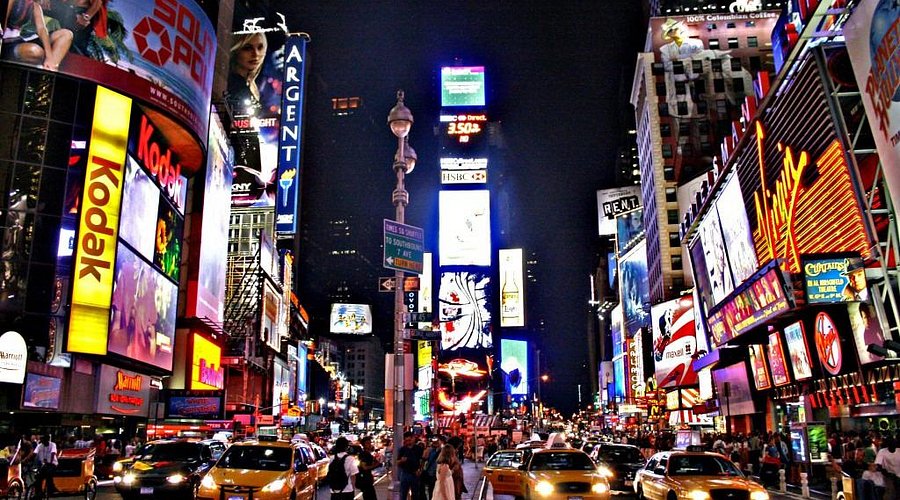
Length: Approximately 33 kilometres (20.5 miles) through Manhattan; extends to ~53 km into Westchester County.
Location: Manhattan, New York City, USA (continuing into the Bronx and Westchester)
Named After: From the Dutch "Breede Weg" (wide road), meaning "wide road"
Overview
Broadway is arguably the most famous street in the world, even if it doesn't top the charts for pure length. Running diagonally through Manhattan — an unusual feat given the city's strict grid layout — Broadway spans the full length of the island and continues north into the Bronx and Westchester County. Within New York City, it runs approximately 33 kilometres; in total, it stretches around 53 kilometres.
It is globally synonymous with theatre, entertainment, Times Square, and the dazzling cultural life of New York City. The term "Broadway" has transcended geography to become a byword for world-class theatrical performance.
History
Broadway is one of New York's oldest streets, predating the United States itself. It originated as a footpath used by the Lenape people, known as the Wickquasgeck Trail, which ran along a natural ridge through the forested island of Manhattan. Dutch settlers widened the trail in the 17th century, calling it Brede Straat or Brede Weg — meaning "wide road" — before the British took control in 1664 and anglicised the name to "Broadway".
The modern street still closely follows the original trail south of 23rd Street. By the mid-19th century, Broadway had become New York's cultural and commercial spine. In the 1890s, the Theatre District around Times Square was electrified with brilliant white bulbs — giving rise to Broadway's iconic nickname: "The Great White Way" — a phrase first coined in a New York Evening Telegram headline in 1902.
What to See Along Broadway
Times Square – The dazzling commercial heart of New York, where Broadway crosses 7th Avenue at 45th Street
41 Broadway Theatres – The world's most celebrated theatrical district (though only four theatres are technically on Broadway itself)
Flatiron Building – The iconic triangular skyscraper at Broadway's intersection with 5th Avenue
Lincoln Center – The premier performing arts complex at West 65th Street
READ MORE: How much does it cost to live comfortably in Ghana in 2026?
Bowling Green – Broadway's southern origin point in Lower Manhattan, one of the city's oldest public spaces
The Canyon of Heroes – Lower Broadway's section used for legendary ticker-tape parades
Key Facts
Broadway follows the route of a Lenape Native American trail over 400 years old.
The Theatre District attracts over 12 million visitors per year.
The longest-running Broadway show in history was The Phantom of the Opera, which ran for 13,981 performances before closing in April 2023.
The street's name comes directly from the Dutch "Brede weg" — making it one of the rare streets whose name is simply a translation of its predecessor's.
5. Kunaev Street – Tekeli, Kazakhstan
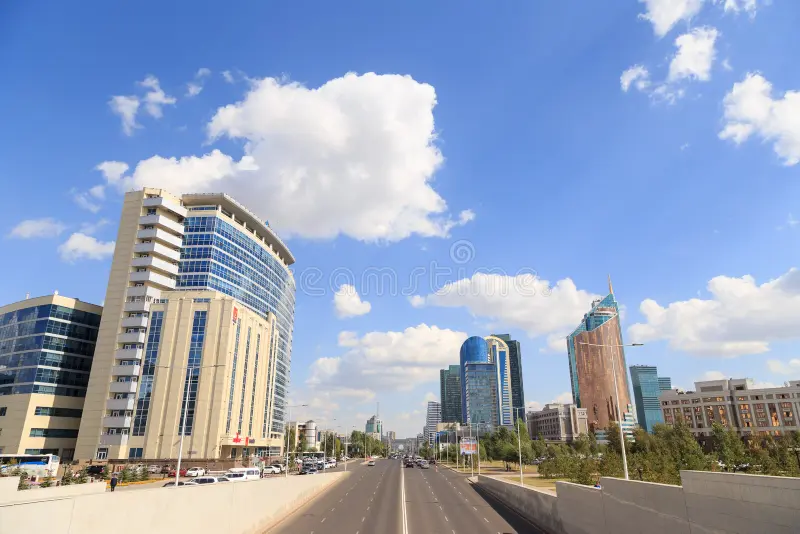
Length: Approximately 38 kilometres (23.6 miles)
Location: Tekeli, Almaty Region, Kazakhstan
Named After: Dinmukhamed Kunaev, first secretary of Kazakhstan's Communist Party
Overview
Perhaps the most surprising entry on this list, Kunaev Street in the remote Kazakh mining town of Tekeli is one of the longest streets in Central Asia and among the world's longest-named urban streets. Located about 300 kilometres northeast of Almaty in the foothills of the Dzungarian Alatau Mountains, Tekeli is a former Soviet industrial town whose claim to global fame rests largely on this remarkable thoroughfare.
At 38 kilometres, a walk from one end to the other would take between 6 and 8 hours at an average pace — longer than many city marathons.
History
Tekeli's growth was driven by the discovery of rich mineral deposits in the region, including zinc, lead, germanium, cadmium, and silver. The town became an important Soviet-era mining centre. During World War II, the area's metal processing plant was so productive that, according to local lore, every eighth bullet used by the Red Army was manufactured using materials processed here.
Kunaev Street runs from the town's industrial zone westward to its sparsely populated outskirts, passing the historic lead factory and old railway tracks once used to transport locally produced materials. The street is named after Dinmukhamed Kunaev, a prominent Soviet statesman who served as the First Secretary of Kazakhstan's Communist Party from 1960 to 1986.
What to See Along Kunaev Street
Snow-capped Dzungarian Alatau Mountains – Visible to the north and south throughout the walk
Confluence of three rivers – A scenic natural landmark along the route
Soviet-era industrial architecture – Warehouses, factories, and railway infrastructure from the town's peak years.
An uphill lookout point – offering panoramic views of Tekeli and the surrounding landscape
Key Facts
The longest street in Kazakhstan and one of the longest in Central Asia
A walk of its full length takes 6–8 hours.
The town of Tekeli has approximately 27,000 residents, making this one of the longest streets relative to the population of its host city.
Surrounded by the Dzungarian Alatau mountain range, Tekeli is one of the more remote towns to appear on any global record list.
Frequently Asked Questions (FAQs)
What is the longest street in the world?
The answer depends on how "street" is defined. Yonge Street in Toronto, Canada, is the most widely cited answer, measuring approximately 56 km. It was held in the Guinness Book of World Records from 1977 to 1999. However, Airport Road in Mississauga, Ontario, has also been put forward as a candidate at around 81 km.
What is the longest street in the USA?
Western Avenue in Chicago is one of the longest continuous streets in the United States, stretching approximately 44 km in total. Figueroa Street in Los Angeles has also historically been cited as a contender.
What is the longest street in South America?
Avenida Rivadavia in Buenos Aires is considered the longest avenue in South America, running approximately 35–37 km from Plaza de Mayo to the western suburbs.
What is the longest street in Europe?
Roskildevej in Copenhagen, Denmark, is frequently cited as the longest street in Europe at approximately 31 km (19 miles), stretching from Copenhagen City Hall to the city of Roskilde.
How long would it take to walk the longest street in the world?
Walking the full length of Yonge Street (56 km) at an average pace of about 5 km/h would take approximately 11 hours without stops.
Conclusion
The world's longest streets are more than just long stretches of asphalt — they are living timelines of the cities and civilisations that built them. From Yonge Street's colonial origins in 18th-century Toronto, to the Lenape trail beneath Manhattan's Broadway, to the Soviet industrial legacy of Kunaev Street in Kazakhstan, each road tells a story that goes far beyond its length.
Whether you're a travel enthusiast, a geography buff, or simply curious about what holds the record, these five streets offer a fascinating window into how cities grow, how history leaves its mark on the ground beneath our feet, and how far human ambition can stretch — sometimes for dozens of kilometres.
Edem Kwame
Edem Kwame is a journalist at GH News Media covering lifestyle and national developments in Ghana.