Top 5 Oldest and Longest-Serving Presidents in Africa
Africa’s political landscape remains defined by some of the world’s most enduring presidencies, where leaders have held power not for years, but for decades.
While many of these figures first emerged promising reform, stability, and nation-building, their prolonged rule has increasingly drawn scrutiny over democratic backsliding, weakened institutions, and contested elections.
Today, several African heads of state rank among the longest-serving leaders globally, raising critical questions about governance, constitutional manipulation, succession planning, and the future of democracy across the continent.
This report examines the five oldest and longest-serving presidents who continue to shape their nations and Africa’s political trajectory with far-reaching consequences.
Teodoro Obiang Nguema Mbasogo – Equatorial Guinea (45 Years in Power)
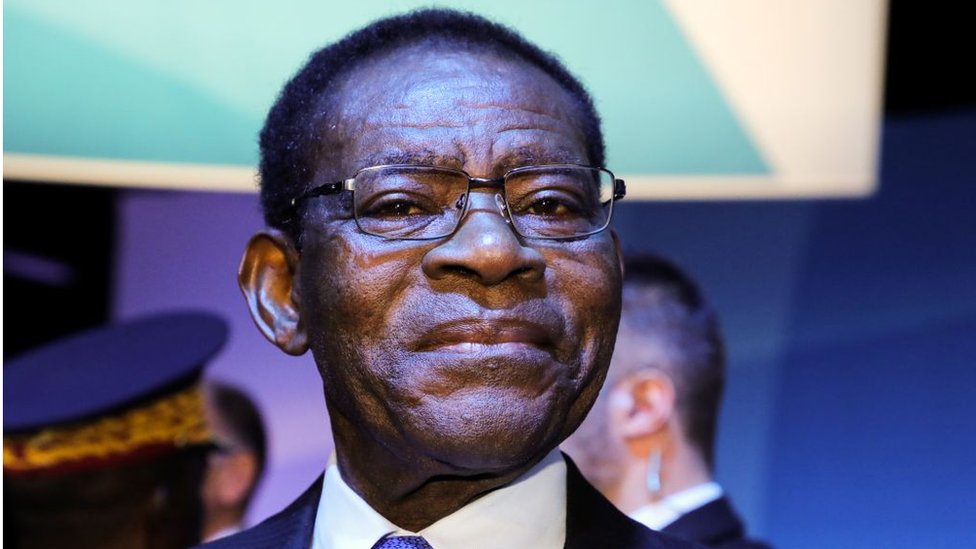
Teodoro Obiang has ruled Equatorial Guinea since overthrowing his uncle in August 1979, making him the world’s longest-serving head of state outside a monarchy. Now 82, Obiang presides over an oil-rich nation where immense natural wealth contrasts sharply with widespread poverty.
Key characteristics of his rule include:
Entrenched authoritarian governance and severe human rights violations
Concentration of power and wealth within his family, including his son and vice president, Teodoro Nguema Obiang Mangue
Elections often yielding improbable results, with vote shares exceeding 90 per cent
International investigations into corruption, asset laundering, and illicit enrichment
Despite enormous oil revenues since the 1990s, development remains limited, and inequality is among the highest in Africa.
Paul Biya – Cameroon (42 Years in Power)
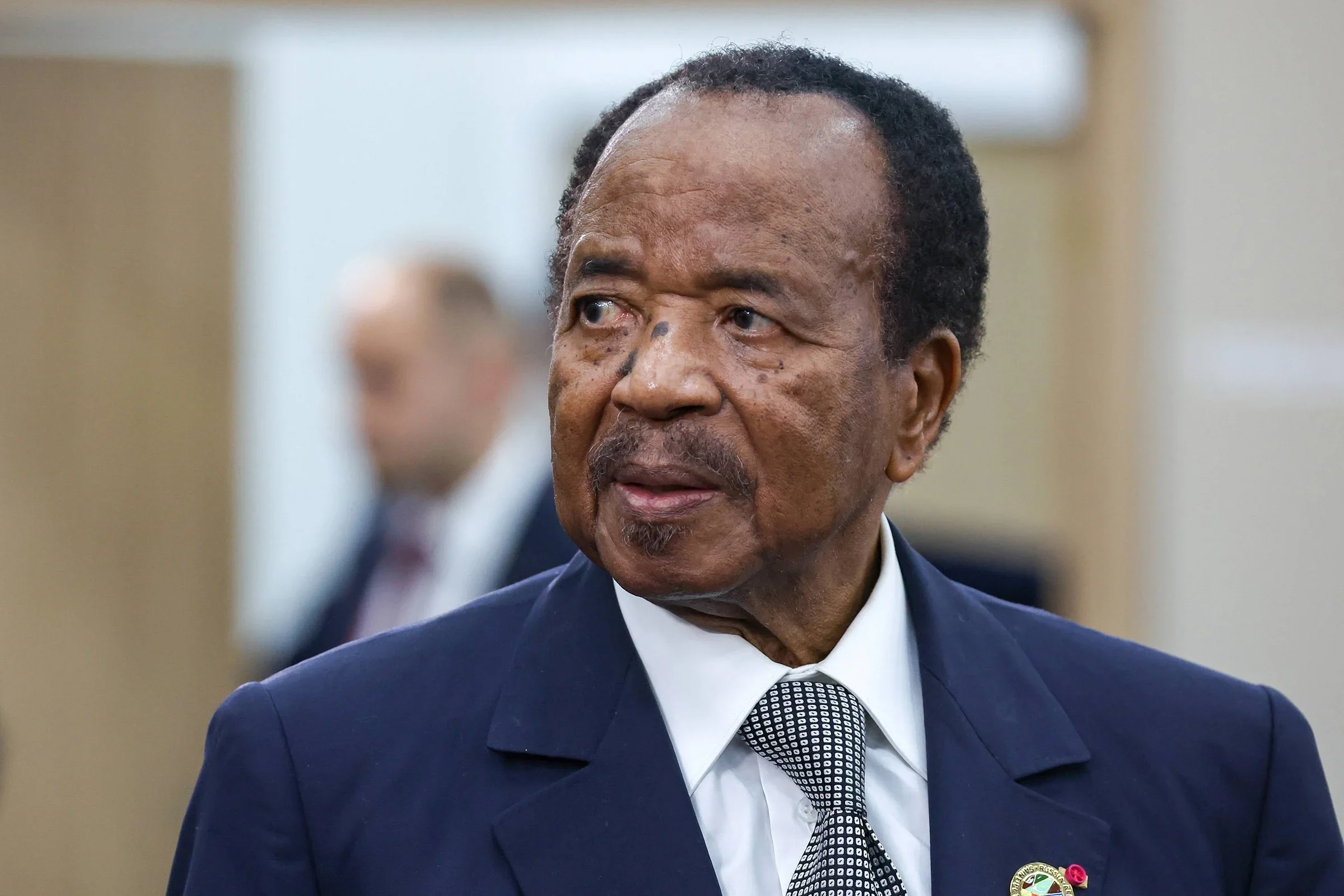
At 91 years old, Paul Biya is the world’s oldest sitting president. He ascended to power in 1982 after serving as prime minister for seven years. Over four decades later, Biya’s rule remains highly centralised and resistant to political reform.
His tenure has been defined by:
A 2008 constitutional amendment abolishing term limits
Persistent allegations of corruption and mismanagement
The protracted Anglophone conflict, which has destabilised English-speaking regions since 2016
READ MORE: June 3 Disaster: 11 years on, Ghana remembers a tragedy that must never be forgotten
Limited civic space for opposition parties and media
Although frequently absent from public view, Biya maintains tight control over state institutions and won re-election in 2018 with an official 71 percent of the vote.
Yoweri Kaguta Museveni – Uganda (40 Years in Power)
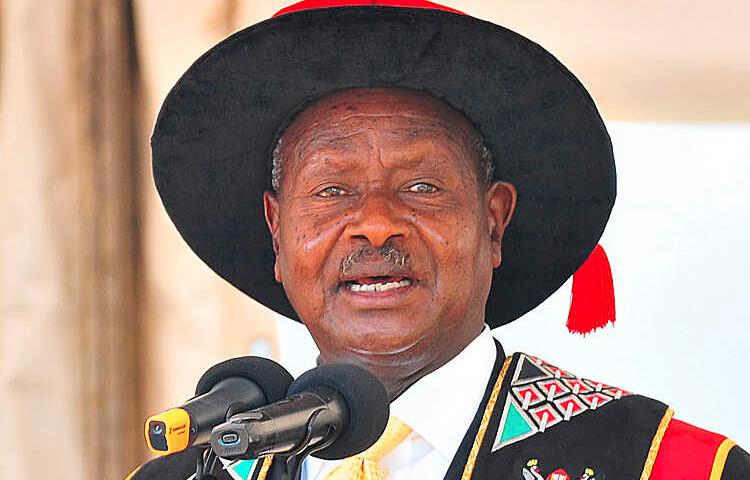
Yoweri Museveni, 81, is one of Africa’s most enduring leaders, having first taken power in January 1986 after a protracted bush war. His rise brought relative stability following years of violent upheaval, but his prolonged rule has increasingly drawn criticism.
Museveni has sustained his tenure through key constitutional changes:
Removal of presidential term limits in 2005
Abolition of the 75-year age limit in 2017
Most recently, Museveni secured a seventh term in the January 2026 general elections, winning 71.65 per cent of the vote. The election was marked by an internet shutdown, harassment of opposition groups, and allegations of electoral irregularities. His main challenger, Robert Kyagulanyi (Bobi Wine), rejected the results.
While Museveni’s supporters highlight decades of stability and infrastructure development, critics point to shrinking democratic space, military dominance in politics, and systematic suppression of dissent.
Speculation continues around succession, especially regarding his son, General Muhoozi Kainerugaba, who holds significant influence within Uganda’s security architecture.
Denis Sassou Nguesso – Republic of Congo (39 Years in Power, 27 Consecutive)

Denis Sassou Nguesso first led the Republic of Congo from 1979 to 1992 before returning to power in 1997 through a civil war victory. Now 81, he has since entrenched his authority through constitutional changes and repeated electoral victories.
Key features of his governance include:
A 2015 referendum enabling him to bypass age and term limits
Heavy dependence on oil revenue with limited economic diversification
Persistent allegations of corruption and public fund mismanagement
Restricted media freedoms and tightly controlled elections
Despite significant natural resources, Congo-Brazzaville continues to grapple with economic inequality and weak public institutions.
Isaias Afwerki – Eritrea (31 Years in Power)
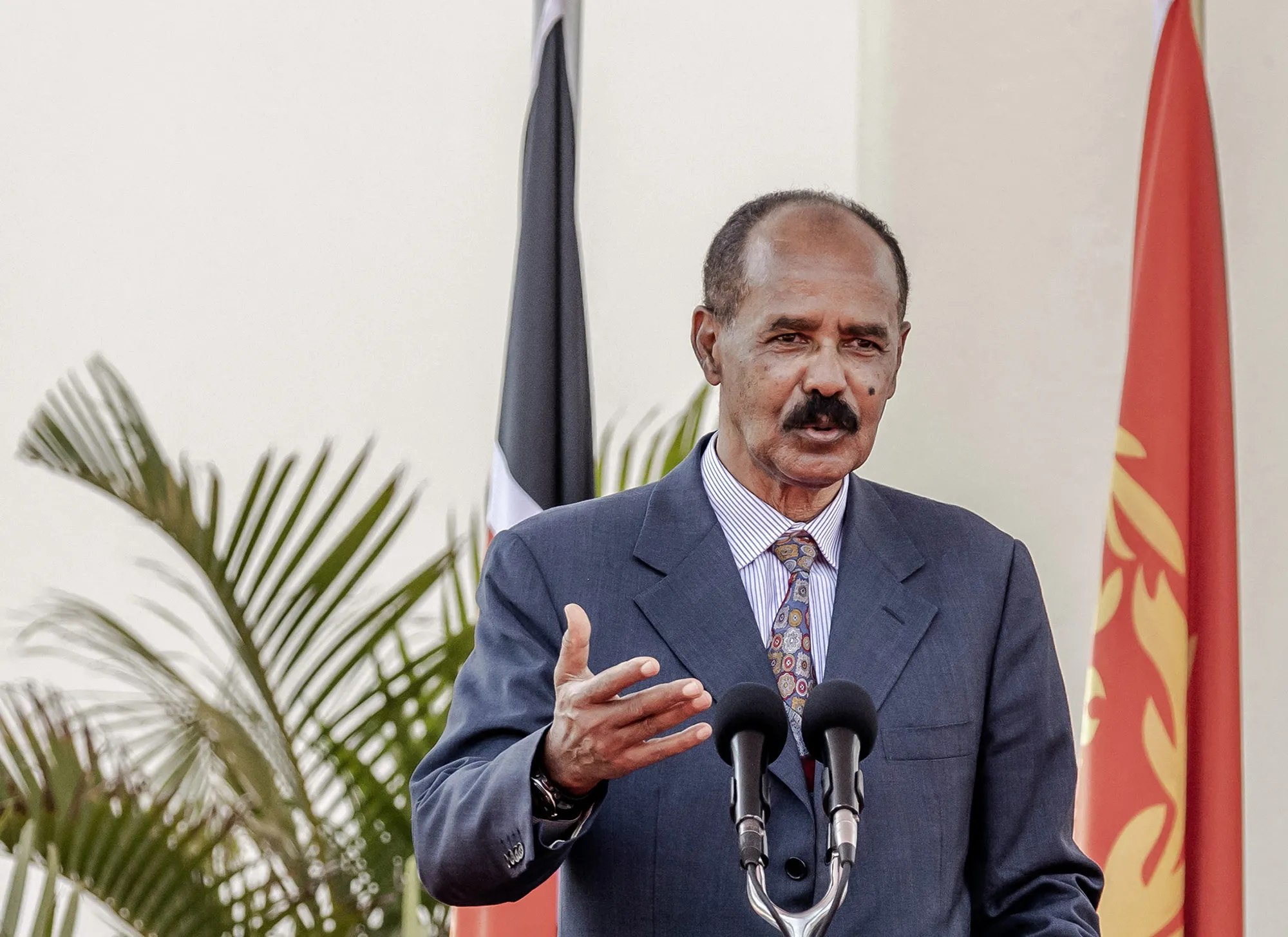
Isaias Afwerki has ruled Eritrea with absolute authority since the country gained independence in 1993. Now 78, he presides over one of the world’s most closed and militarised states.
READ MORE: Algeria U17 stage comeback to hold Black Starlets to a draw in AFCON opener
Characteristics of Afwerki’s rule include:
No national elections held since independence
Absence of an implemented constitution despite ratification in 1997
Indefinite national service programme described by critics as forced labour
Harsh restrictions on media, civil liberties, and religious freedoms
High levels of emigration as citizens flee political repression
Eritrea remains among the lowest-ranked countries for press freedom and human rights globally.
Common Threads Across These Regimes
Despite their diverse national contexts, these long-serving presidents share several trends:
1. Constitutional Engineering
Most have amended their constitutions—removing term or age limits—to legally prolong their rule.
2. Weak Institutional Checks
Judiciaries, parliaments, and electoral bodies often lack independence, enabling executive dominance.
3. Resource Wealth Without Broad Development
Oil-rich nations like Equatorial Guinea and Congo continue to experience high poverty and inequality.
4. Limited Civic and Political Space
Opposition figures, journalists, and civil society groups frequently face intimidation, arrest, or violence.
5. Uncertain Succession Plans
With most leaders advanced in age, concerns persist about stability when transitions eventually occur.
6. Complex International Ties
Despite governance issues, many maintain strong alliances due to strategic interests such as energy, security, and counterterrorism.
Conclusion
Africa’s longest-serving presidents represent a generation of leaders who came to power amid instability but have remained through entrenched political systems rather than democratic renewal. Their extended rule continues to shape political debates across the continent, energising youth movements, civil society organisations, and pro-democracy advocates pushing for term limits, stronger institutions, and peaceful transitions of power.
As demographic pressures, economic challenges, and social aspirations evolve, the coming years will determine how African states navigate leadership change—peacefully or through political upheaval.
Edem Kwame
Edem Kwame is a journalist at GH News Media covering features and national developments in Ghana.