
Parkinson's Disease: Causes, Symptoms and Revolutionary Treatments in 2025-2026
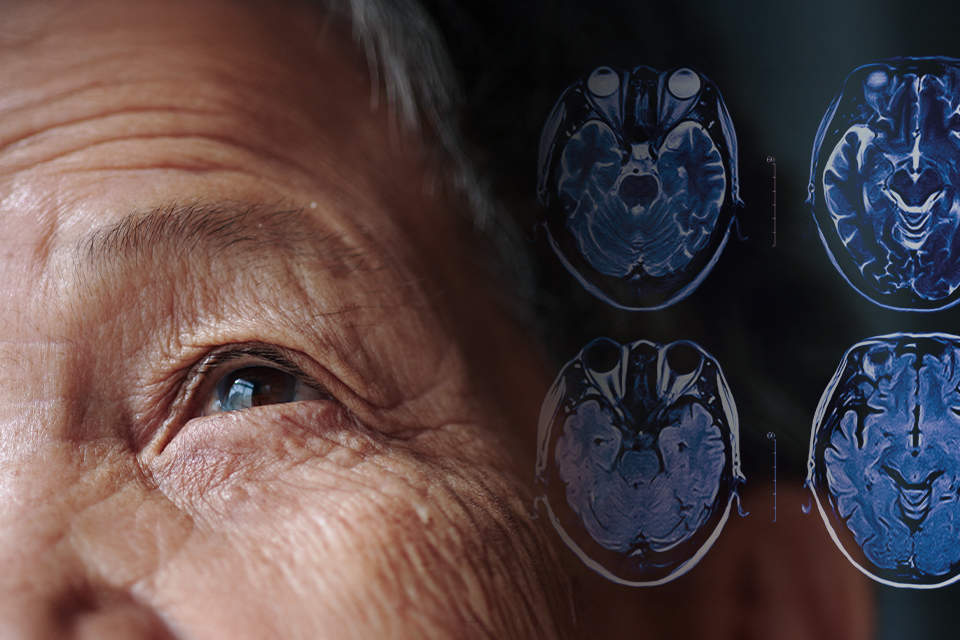
Parkinson's disease is one of the most complex neurological disorders of our time, affecting over 11 million people worldwide and remaining the fastest-growing age-related brain condition. In 2025 and 2026, groundbreaking research is transforming our understanding of the disease, offering new hope for treatments, early detection, and improved quality of life.
What Is Parkinson's Disease?
Parkinson's disease is a progressive neurological disorder that impairs movement, balance, and coordination. It develops when neurons in the brain, particularly in the substantia nigra, weaken and die. These neurons produce dopamine, a chemical messenger essential for smooth, purposeful movements. By the time symptoms appear, 60–80% of dopamine-producing cells are often lost.
Symptoms of Parkinson's Disease
Motor Symptoms
Parkinson's disease is most recognized for its movement-related symptoms, including
Tremor: Shaking, often starting in one hand or foot at rest.
Rigidity: Muscle stiffness causing discomfort and limiting movement.
Bradykinesia: Slowed movement affecting daily tasks and automatic motions.
Postural Instability: Balance and posture changes that increase the risk of falls.
Non-Motor Symptoms
Parkinson's also affects mental and physical health beyond movement:
Loss of smell (anosmia)
Sleep disturbances, including REM behavior disorder
Cognitive decline or dementia
Autonomic dysfunction impacting blood pressure, digestion, and bladder
READ MORE: Abuna Yemata Guh: Inside the World’s Most Dangerous Church
Mood disorders, such as depression and anxiety
Gastrointestinal issues like constipation
Early detection is crucial, as subtle symptoms often appear years before a diagnosis.
Causes and Risk Factors
The exact cause of Parkinson's remains unclear, but several factors contribute:
Genetic Factors
Some cases are hereditary, with mutations like GBA linked to increased risk and faster disease progression. Most cases, however, result from a combination of genetics and environment.
Environmental Factors
Exposure to pesticides, herbicides, and industrial chemicals has been associated with higher Parkinson's rates. Certain rural regions, sometimes called the "Parkinson's belt," show increased prevalence.
Alpha-Synuclein Protein
Lewy bodies, aggregates of alpha-synuclein protein, accumulate in neurons, playing a central role in disease progression.
Breakthrough Research in 2025-2026
Rethinking Dopamine
A study by McGill University revealed dopamine supports movement broadly rather than controlling the speed or force of each motion. This insight may reshape treatment strategies to focus on steady dopamine levels.
The Gut-Brain Connection
Research highlights similarities between the gut microbiome of Parkinson’s patients and those with inflammatory bowel disease. Studies also suggest oral bacteria may travel from the mouth to the gut, producing compounds that harm neurons and trigger Parkinson’s symptoms.
Air Pollution and Lewy Body Dementia
Long-term exposure to fine particulate matter from vehicles, industry, and wildfires increases the risk of Lewy body dementia, which affects about 70% of Parkinson's patients.
Protein Stabilization
Scientists at the University of Bath designed a peptide that prevents alpha-synuclein misfolding, reducing toxic protein buildup and improving movement in lab models.
Stem Cell Therapy
Early clinical trials in Japan, the U.S., and Canada show that transplanting dopamine-producing cells can safely improve motor function without major side effects.
Current and Emerging Treatments
Levodopa
The gold-standard therapy, levodopa, continues to restore dopamine levels and manage symptoms effectively.
READ MORE: Why Guinea-Bissau has seen 10+ military coups: Causes behind decades of instability
Advanced Drug Delivery
Onapgo: Continuous under-the-skin infusion of apomorphine.
Vyalev: Continuous levodopa-carbidopa infusion.
These methods reduce “off” periods when symptoms flare.
Novel Medications
Tavapadon: Activates D1 dopamine receptors for once-daily dosing.
Prasinezumab: Anti-alpha-synuclein antibody with potential disease-modifying effects.
Adaptive Deep Brain Stimulation
FDA-approved aDBS devices adjust stimulation in real time, reducing stiffness and involuntary movements before they arise.
Stem Cell Therapies
Bayer’s bemendaneprocel implants dopamine-producing neurons directly into the brain, potentially repairing underlying damage rather than just masking symptoms.
Diagnosis and Early Detection
Emerging tools, such as the alpha-synuclein seed amplification assay, detect misfolded proteins years before motor symptoms, enabling earlier intervention.
Living with Parkinson's
Prognosis
Life expectancy has improved by 55% since 1967, with most patients living 14–15 years post-diagnosis.
Comprehensive Care
A multidisciplinary approach—including neurologists, therapists, and mental health support—is essential for maintaining quality of life.
The Path Forward
Global research funding, including initiatives like Cure Parkinson’s £2 million funding call, is advancing combination therapies, gene therapies, immunotherapies, and stem cell treatments. Nearly 100 studies target symptom management, and over 250 explore disease-modifying therapies.
Conclusion
Parkinson's disease remains a complex challenge, but 2025-2026 breakthroughs offer hope. From understanding dopamine to exploring stem cell therapy, science is moving closer to halting disease progression and improving patient lives worldwide.


