Otto Addo Sacked: Why the Black Stars don't need another coach
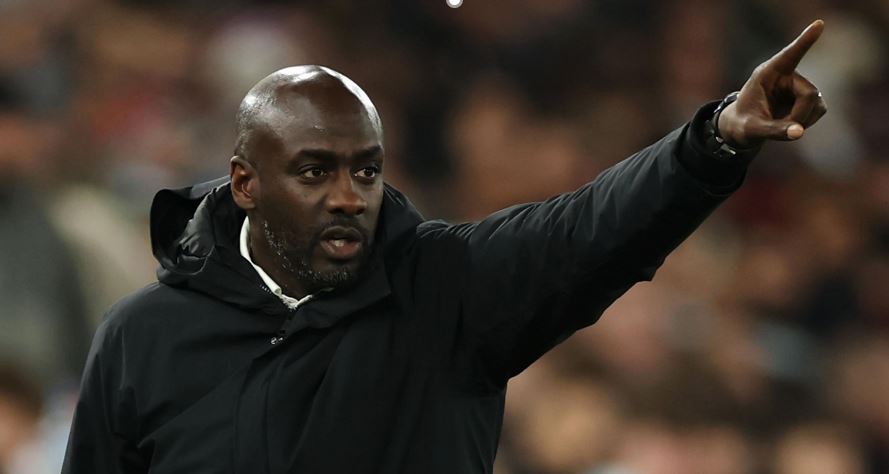
The sacking of Otto Addo has once again left the Ghana national football team at a crossroads. It is a familiar place, a void filled with uncertainty, pressure, and urgent calls for a new coach. But this moment is more than just another managerial change.
It is a rare opportunity for a total transformation of Ghana football. If this opportunity is misunderstood or wasted, it may take the nation many years to return to its days of dominance and pride on the continental and global stage.
This might be one of the longest articles you will read today, but it will be worth your time, because Ghana’s football problem is deeper than most conversations allow. The instinct now is to search for the next coach, someone with fresh ideas and a strong résumé.
But history tells us that Ghana has already tried that approach repeatedly, moving from Avram Grant to Kwesi Appiah, to C. K. Akonnor, to Milovan Rajevac, and to Chris Hughton. Each came with tactical ideas, yet the same inconsistencies remained. So, the real question is not who the next coach should be but whether Ghana even needs a coach in the first place.
To understand the present, we must revisit the past. Ghana was once a symbol of African football excellence. From the dominance of earlier generations to the near-historic run at the 2010 World Cup, the Black Stars were feared, respected, and admired.
There was identity, resilience, and a sense of collective purpose. Compare that to recent years, where performances have been underwhelming, tournaments have ended in disappointment, and the team often looks disconnected. The decline is not because Ghana suddenly lost talent. It is because something fundamental has been lost.
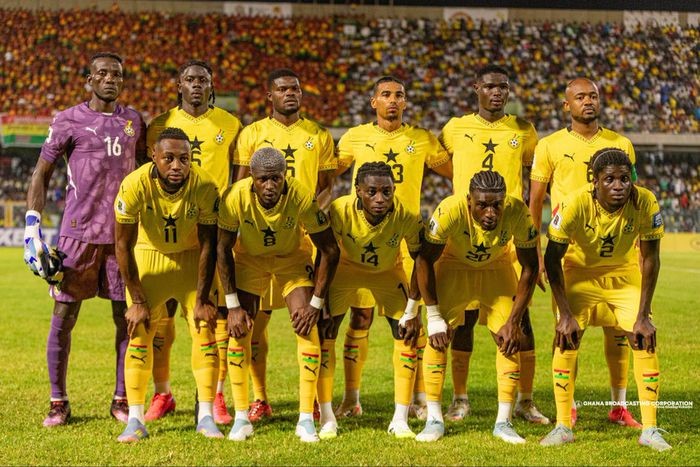
That brings us to the current squad, a group that is arguably one of the most technically gifted in recent times. Players like Mohammed Kudus embody creativity, confidence, and modern football intelligence.
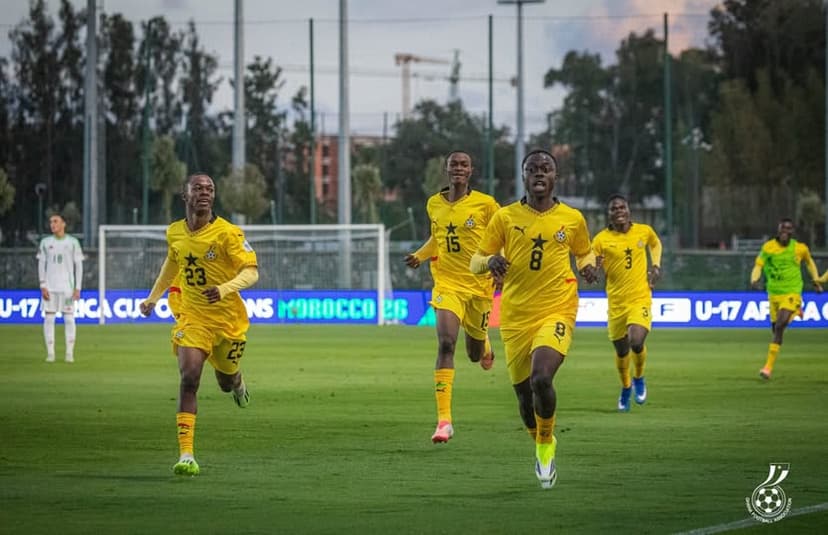
READ MORE: Algeria U17 stage comeback to hold Black Starlets to a draw in AFCON opener
Around him are players competing in top European leagues, exposed to elite coaching environments and high-level tactical systems. These are not raw or inexperienced players. They are well trained, well coached, and individually brilliant. Yet when they come together, the team struggles to reflect that quality. What really is the problem?
The explanation lies in the difference between club football and national team football. At their clubs, these players operate under structured systems, rehearsed patterns, and clearly defined roles, often guided by managers like Pep Guardiola or Carlo Ancelotti.
But in the national team, these different football educations collide. One player expects positional play, another thrives on direct transitions, and another is used to defensive rigidity. Without time to harmonise these differences, the team becomes tactically confused rather than cohesive.
This is why the core issue is not a lack of coaching knowledge. Ghana has had coaches with experience and tactical understanding. The real issue is integration. The team lacks a unifying structure that simplifies rather than complicates.
It lacks clear roles that every player understands and accepts. It lacks a strong central authority that can align individuals into a collective. That is why the statement remains true and powerful. “Club football is about coaching systems. National team football is about managing people.”
There is a clear example to learn from. The France national football team once faced internal chaos despite having world-class players. It was only when Didier Deschamps took charge that stability returned.
He did not rely on complex tactics. Instead, he focused on discipline, role clarity, and unity. He managed egos, simplified the game plan, and built a strong identity. The result was a team that functioned as one, not as scattered individuals.
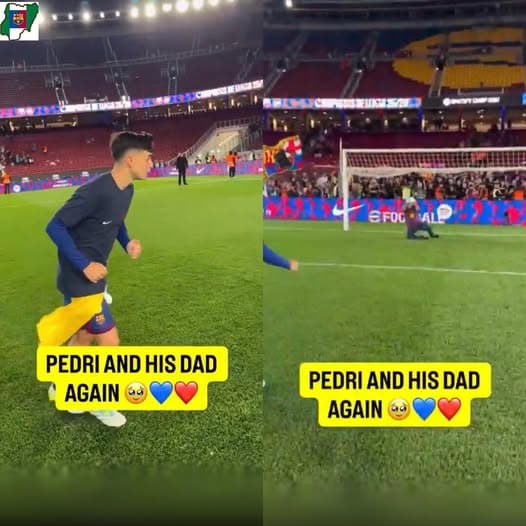
READ MORE: Pedri's penalty ritual with his father - The tradition born from a dream deferred
Ghana’s root problem is therefore not tactical weakness but managerial absence. There is too much reliance on individual brilliance and not enough emphasis on collective responsibility.
In difficult moments, the team looks for a hero instead of trusting a system. Even players like Kudus, who can change a game in seconds, need a structure that amplifies their impact. Without that structure, their brilliance becomes isolated rather than transformative.
The solution is not another cycle of hiring a “tactically gifted” coach. Ghana needs a manager with authority, someone who can command respect in the dressing room and make tough decisions without hesitation.
The next leader must define a clear identity, simplify the team’s style of play, and demand discipline from every player regardless of status. He must prioritise balance over reputation and unity over individuality. Just as importantly, the Ghana Football Association must commit to stability and give this manager the time and support needed to build something lasting.
This moment, painful as it may seem, is an opportunity. It is a chance to rethink the direction of Ghana football and correct years of reactive decision-making.
If handled well, it could mark the beginning of a new era. If mishandled, it risks prolonging a cycle of inconsistency and missed potential. The talent is there. The history is there. What remains is the courage to choose the right kind of leadership.
Written by Samuel Nii Adjetey,
Journalist, fact-checker and football lover
Edem Kwame
Edem Kwame is a journalist at GH News Media covering features and national developments in Ghana.